

Boyacá (Villa de Leyva)
The Town That Refuses to Modernize
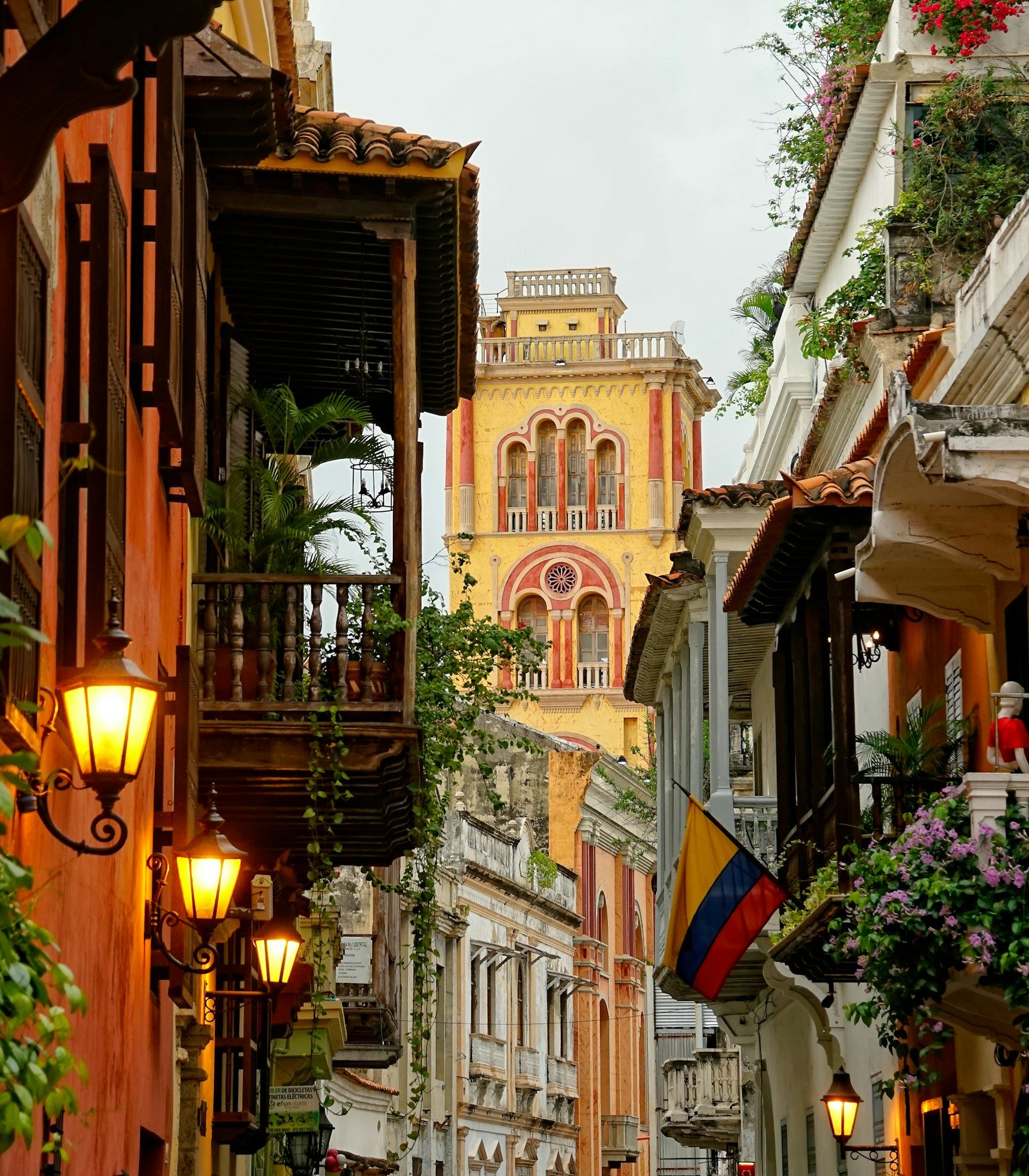
Villa de Leyva has one of the biggest colonial plazas in the Americas, and the local government keeps it deliberately old-fashioned – cobblestones instead of pavement, whitewashed walls instead of anything shiny, and a strict building code that stops new construction from clashing with the 16th-century look. Two hours from Bogotá, it feels like a different century, and the town works hard to keep it that way.
What Sets It Apart
The main square, Plaza Mayor, is famously enormous and famously bare – no trees, no benches, just uneven stone cobbles sloping gently to a central drain, on purpose, so colonial rainwater had somewhere to go. The surrounding countryside is dry and semi-desert in patches, unusual for Colombia, and that odd climate is exactly why the region is a magnet for paleontology – this area has produced some of the country’s most significant fossil finds.


How to Spend Your Time
Wander the Plaza Mayor early, before the tour buses arrive, when it’s just you, the cobblestones, and whoever’s sweeping their doorstep. El Fósil, a small museum built around an in-situ fossilized kronosaurus (an ancient marine reptile), sits just outside town and is worth the detour if you’re even slightly curious about what used to swim through what’s now dry farmland. Nearby Ráquira is Colombia’s pottery town – rows of shops selling hand-painted ceramics, worth a slow afternoon. History buffs should make time for El Infiernito, a Muisca archaeoastronomical site with stone monoliths used to track solstices; it’s not flashy, but it’s genuinely old and genuinely significant.
What’s on the Menu
The Boyacá region is longaniza country – a distinctive local sausage, especially associated with nearby Sutamarchán, often grilled and served with arepa and potatoes. Hearty, mountain-style Colombian food dominates generally: soups, stews, and plenty of corn and potato in different forms, sensible fuel for a town at altitude with cool nights. As with our other pages, we don’t have verified current restaurant names to pass along, so ask locally for what’s good today.
The Longer Story
Villa de Leyva was founded in 1572 and, unusually, was never developed as an agricultural or trading hub the way most colonial towns were – it grew as a place of leisure for Spanish officials, which may be part of why it stayed so architecturally intact. The wider region held real significance for the Muisca people long before that: nearby Lake Iguaque, inside what’s now Iguaque Sanctuary, features in Muisca creation mythology as the place humanity is said to have originated.
Who’s Going to Love It
Photographers get whitewashed walls, terracotta roofs, and that huge stone plaza in every kind of light. History and science types have the fossil museum and the Muisca site to dig into, literally and figuratively. Couples and slow travelers tend to love it as a weekend escape from Bogotá – easy distance, completely different pace. It’s a quieter fit for travelers chasing nightlife or beaches – this is a early-to-bed kind of town.
The Logistics
Getting there: Villa de Leyva is roughly a three-hour drive or bus ride from Bogotá; there’s no airport nearby, so overland is the way in. Getting around: the town itself is compact and entirely walkable; a car, tour, or tuk-tuk-style taxi helps for the surrounding sites like El Fósil, Ráquira, and El Infiernito, which are spread out. Weather: dry and notably sunny for the Andes, with cold nights – pack layers. Safety: a low-key, tourist-friendly town with standard travel precautions. Money: cash is more reliably useful here than in Bogotá, especially outside the main plaza’s restaurants and shops, though cards are accepted in many places. Opening hours: smaller museums and shops can keep irregular hours outside weekends, so it’s worth checking ahead if a specific stop matters to you.
How Long to Stay
A weekend – two nights – is the classic amount of time, enough for the town itself plus one or two nearby sites. Add a third day if you want to properly cover Ráquira, El Fósil, and El Infiernito without rushing.
Things We’d Tell a Friend
Wear shoes with actual grip – the plaza’s cobblestones are uneven and get slippery when wet. Book weekend accommodation ahead; Villa de Leyva is a favorite Bogotá getaway and fills up fast on Fridays and Saturdays. Bring a jacket even if the day starts sunny, because Andean nights don’t care about your daytime plans. And if pottery isn’t usually your thing, give Ráquira a chance anyway – it’s more interesting in person than it sounds on paper.
Things That Sound Made Up
- The Plaza Mayor is deliberately left without trees or grass, an intact colonial design choice rather than an oversight.
- El Fósil protects an actual fossilized marine reptile still embedded in the ground where it was found, in an area that’s now dry farmland far from any ocean.
- Nearby Lake Iguaque is considered, in Muisca mythology, to be the birthplace of humanity.
Good to Know


