

Cartagena
The City That Never Stopped Performing
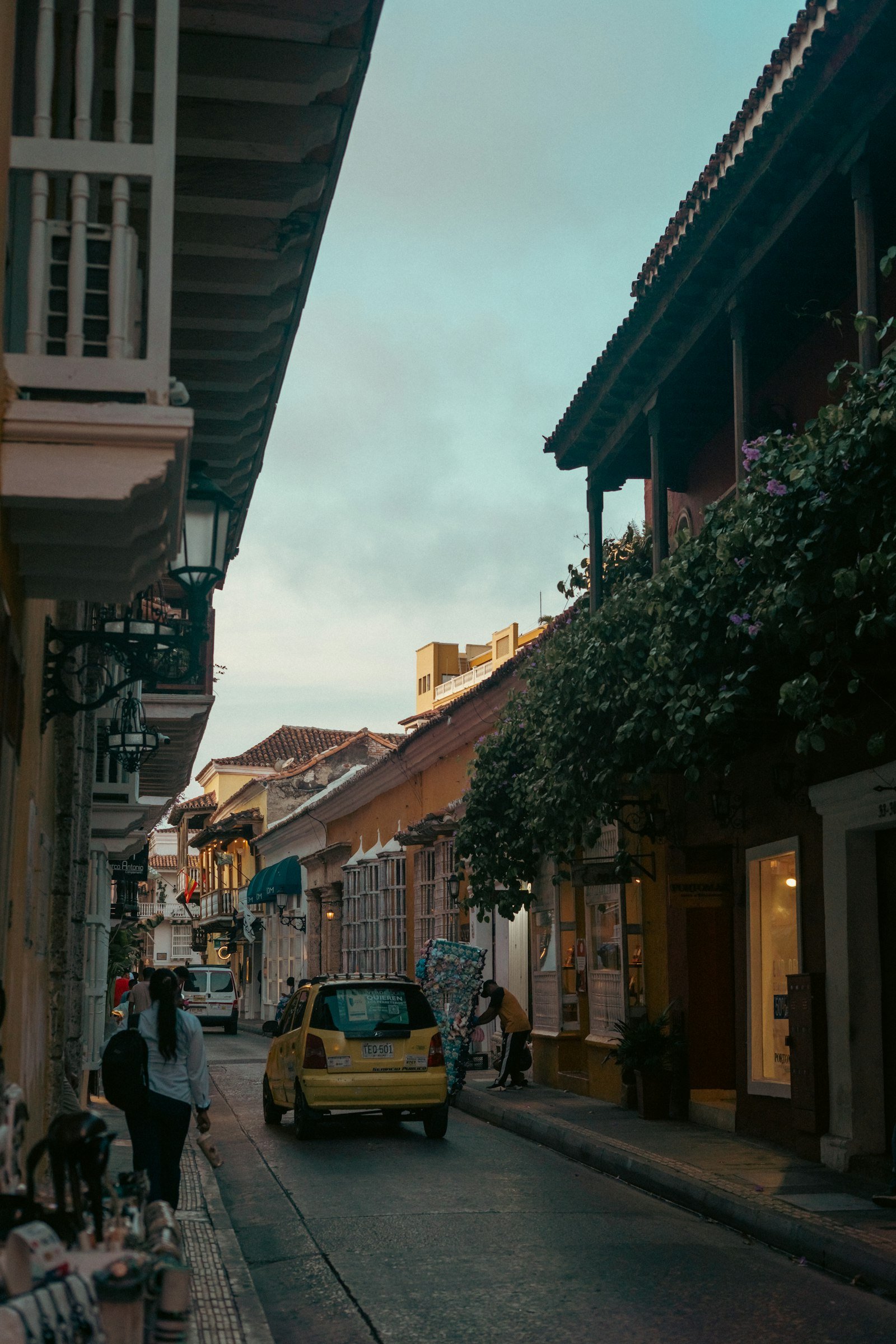
Cartagena’s walled Old Town is one of those places that looks staged – bougainvillea spilling off wrought-iron balconies, horse-drawn carriages clopping past centuries-old stone walls, the Caribbean sun doing exactly what it’s supposed to. It’s not staged; it’s just a city that’s been performing this particular kind of beauty for 500 years and has gotten very, very good at it.
What Sets It Apart
Cartagena’s colonial walled city and fortress complex are UNESCO World Heritage listed, and the fortifications aren’t decorative – they were built, over more than two centuries, to defend one of the Spanish empire’s most important Caribbean ports from repeated pirate attacks and sieges. The old town’s mix of Spanish colonial, Moorish-influenced, and Republican architecture, all still lived in rather than preserved behind glass, is genuinely rare at this scale.


How to Spend Your Time
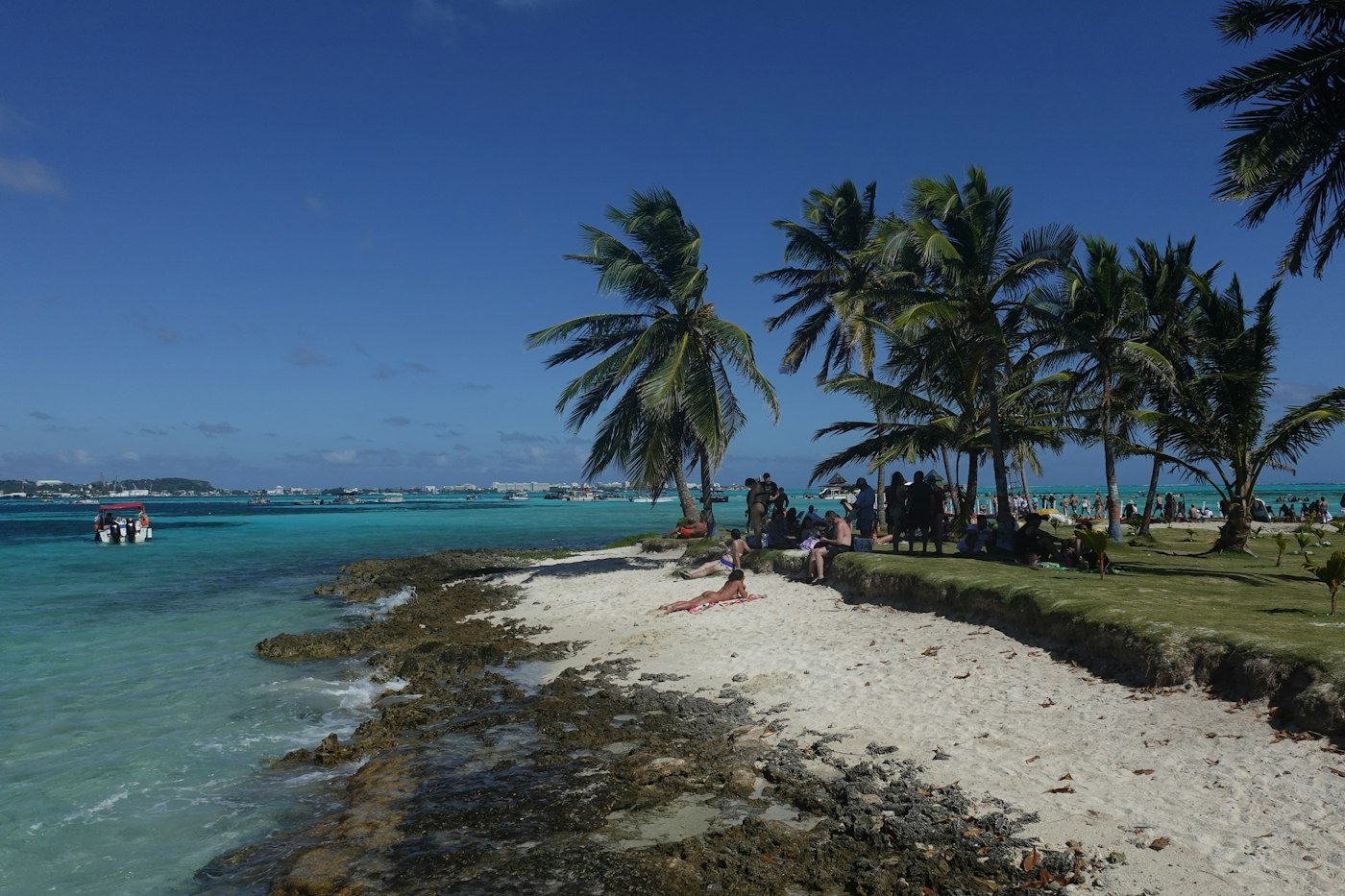
Walking the old city walls (Las Murallas) at sunset is the classic move, and it earns its reputation – views over the rooftops and out to the Caribbean, best with a cold drink in hand. Getsemaní, the neighborhood just outside the main walled city, has its own draw: looser, more street-art-heavy, and generally where the nightlife lives. The Castillo San Felipe de Barajas, a massive Spanish fortress on a hill just outside downtown, is worth the visit for both the views and the tunnels built into the rock. For a full change of pace, boats run from the city to the Rosario Islands, a cluster of coral-reef islands with clear water a world away from the old town’s energy.
What’s on the Menu
Cartagena’s Caribbean coast means seafood is the obvious strength – ceviche, fried fish, and coconut rice show up everywhere, and they show up for good reason. Street vendors selling arepas de huevo (a fried arepa with a whole egg inside) and cold fruit juices are part of just walking around the old town. As with our other pages, we don’t have verified current restaurant names to recommend, so it’s worth asking locally for what’s good today.
The Longer Story
Founded in 1533, Cartagena became one of the most important ports in the Spanish empire’s Caribbean trade network – and one of the most fought-over, targeted repeatedly by pirates and rival European powers because of the wealth moving through it. That history is also a heavier one: Cartagena was a major port in the transatlantic slave trade, and that legacy runs through the city’s culture, music, and demographics today. Both stories – the beauty and the weight behind it – are part of what makes the city worth understanding, not just photographing.
Who’s Going to Love It
First-time visitors to Colombia often start here, and it’s an easy, photogenic introduction. Couples and honeymooners gravitate toward it for obvious reasons. History and architecture fans get centuries of it, layered and still in use. It’s a busier, more tourist-heavy fit than some of our other destinations, so travelers specifically seeking undisturbed, off-the-radar places may want to pair it with somewhere quieter.
The Logistics
Getting there: Rafael Núñez International Airport sits close to the city, with direct flights from several major hubs in the Americas and beyond. Getting around: the walled city is fully walkable; taxis or ride-hailing apps cover everything outside it. Weather: hot and humid year-round, Caribbean coast conditions – pack light, breathable clothing and sun protection regardless of season. Safety: the tourist areas are well-policed and generally safe, though standard city awareness applies, especially at night outside the main walled area. Money: cards are widely accepted in restaurants and hotels; cash is more useful for street food and smaller vendors. Opening hours: many shops and restaurants in the old town run later into the evening than elsewhere in Colombia, given the heat and the nightlife culture.
How Long to Stay
Three days covers the old town, Getsemaní, and the fortress comfortably. Add a fourth if you want a full day trip out to the Rosario Islands without rushing back.
Things We’d Tell a Friend
Walk the old town early or at sunset – midday heat and humidity are genuinely intense. Agree on a price with horse-carriage or street vendors before you commit to anything. Bring or buy good sun protection; the Caribbean sun here is no joke. And budget more time for Getsemaní than you’d expect – it tends to be the neighborhood people end up liking most, almost by accident.
Things That Sound Made Up
- Cartagena’s fortifications took over 200 years to complete, built and rebuilt repeatedly in response to pirate raids and foreign attacks.
- The Castillo San Felipe de Barajas is riddled with underground tunnels, engineered so sound would carry and echo to confuse attacking forces.
- Both the historic walled city and its fortifications carry UNESCO World Heritage status, recognized together as one of the best-preserved colonial port defense systems in the Americas.
Good to Know


