

Bogotá
The Capital That Takes Some Convincing
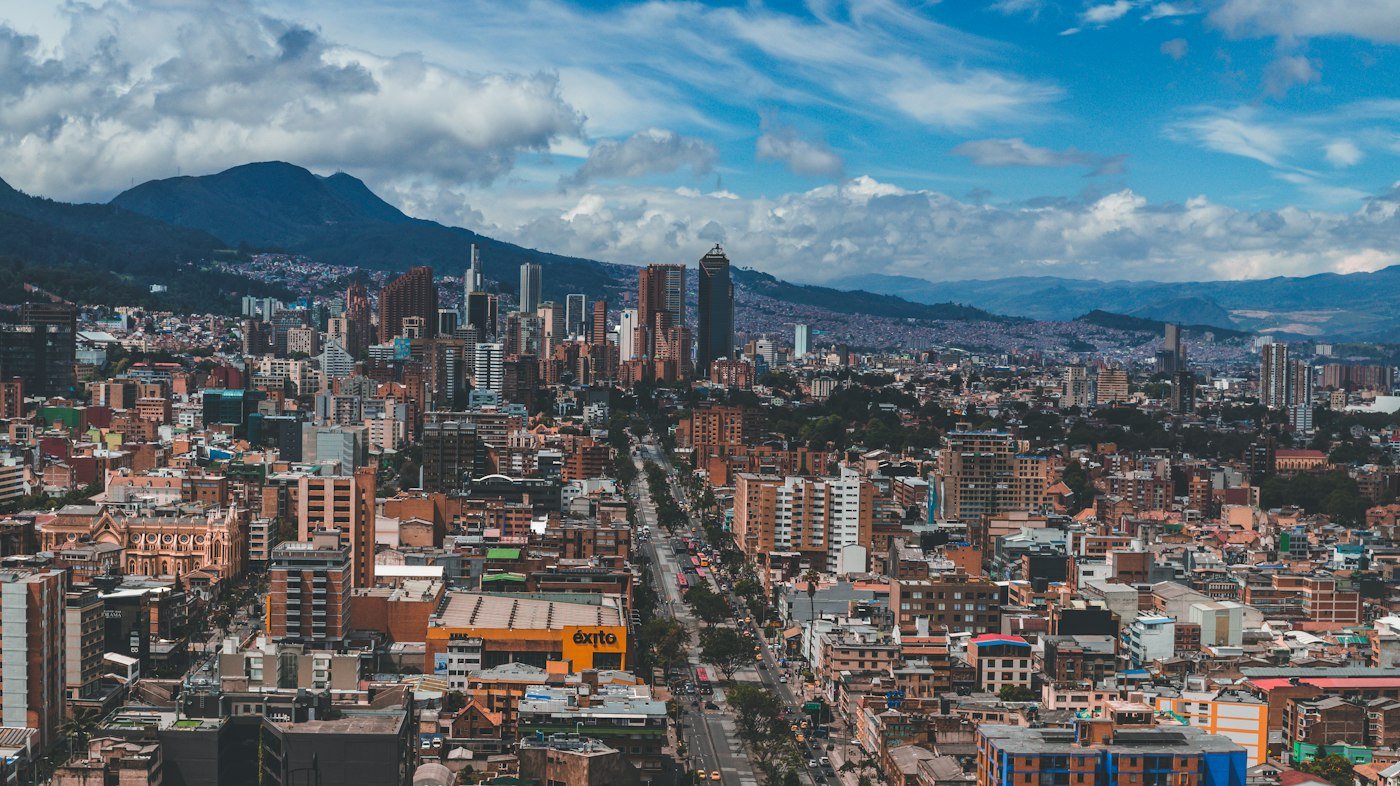
Nobody falls in love with Bogotá on day one. You land at 2,600 meters, the air is thinner than you expect, the traffic is real, and the sky is often the color of a wet sidewalk. Then day three happens – you’ve found a good enough coffee shop, walked La Candelaria without a map, eaten something that genuinely surprised you – and the city quietly wins. It’s a slow-burn capital, not a postcard one, and honestly, that’s the more interesting kind.
What Sets It Apart
Bogotá is one of the highest capital cities in South America, and that altitude shapes everything – the cool climate year-round, the intensity of the sun at midday, the way locals will genuinely ask if you’re okay after you take the stairs too fast. It’s also a city that takes its street art seriously: much of what covers La Candelaria’s walls is there with the government’s blessing, part of a deliberate push to turn graffiti into public art rather than paint over it. Few Latin American capitals let that happen at this scale.


How to Spend Your Time
The Gold Museum holds the largest collection of pre-Hispanic goldsmithing in the world, and it deserves a proper morning, not a fifteen-minute walkthrough. La Candelaria itself rewards aimless wandering – cobblestones, independent bookshops, mural after mural. For the view that puts the whole savanna into context, Monserrate rises above the city; a funicular or cable car gets you to the sanctuary at the top, and on a clear day the payoff is real. Beyond the obvious stops, Bogotá’s restaurant scene has quietly become one of the best in the region – worth building at least one evening around.
What’s on the Menu
Ajiaco – a thick chicken and potato soup with corn and capers – is the dish locals get homesick for, and it’s worth ordering even in warm weather. Street food runs on arepas and empanadas, and coffee culture here has moved well past instant sachets into a proper specialty scene, ironic for a country that spent decades exporting its best beans elsewhere. We don’t have verified, current restaurant names to hand you, so ask your hotel or guide for what’s good right now rather than trusting a list that might be stale.
The Longer Story
Bogotá was founded in 1538 on Muisca land, and that indigenous history runs deeper than most visitors realize – the Gold Museum’s most famous piece, a small gold raft figure, depicts a Muisca ritual that likely inspired the El Dorado legend that sent Spanish conquistadors chasing myths across the continent for a century. The city’s more recent decades have been about reinvention: a serious push on public space, cycling infrastructure, and culture that’s slowly changed how both Colombians and outsiders see the capital.
Who’s Going to Love It
Museum and history people could spend three full days here without repeating themselves. Food travelers will find one of South America’s more interesting restaurant scenes, largely under most people’s radar. First-timers to Colombia get a manageable, well-connected introduction before heading elsewhere. It’s a tougher sell for beach-only travelers – Bogotá is a mountain city through and through, and there’s no coastline to speak of within a day’s reach.
The Logistics
Getting there: El Dorado International Airport is one of the best-connected hubs in Latin America, with direct flights from major cities across the Americas and Europe. Getting around: taxis and ride-hailing apps are the easiest option for visitors; the TransMilenio bus system is efficient but can be overwhelming with luggage. Weather: cool year-round thanks to the altitude, with December through March generally the driest stretch. Safety: stick to well-traveled areas and use official transport at night, standard big-city sense rather than special precaution. Money: cards are widely accepted in the city center and north Bogotá; carry some cash for smaller vendors and markets. Opening hours: most museums close on Mondays – the Gold Museum included – so plan accordingly.
How Long to Stay
Two to three days covers the essentials comfortably. It’s also a genuinely good base for day trips – Villa de Leyva and the rest of Boyacá are close enough to add on without much extra travel time.
Things We’d Tell a Friend
Give yourself a slow first day to adjust to the altitude – skip the big hike to Monserrate on arrival if you can. Layer your clothing; Bogotá can swing from sunny to genuinely cold within the same afternoon. Book Gold Museum tickets ahead on weekends, when it gets busy with local visitors too. And don’t judge the city by your first taxi ride from the airport – that’s everyone’s least favorite part of Bogotá, tourists and locals alike.
Things That Sound Made Up
- Bogotá sits at roughly 2,600 meters – high enough that the airport is one of the highest-altitude major international airports in the world.
- The El Dorado legend that drove Spanish explorers across the continent likely traces back to a real Muisca ritual involving gold and a lake near Bogotá.
- Much of the street art in La Candelaria is legally sanctioned, not painted over by the city the way it is almost everywhere else.
Good to Know


