
Forget What You Pictured
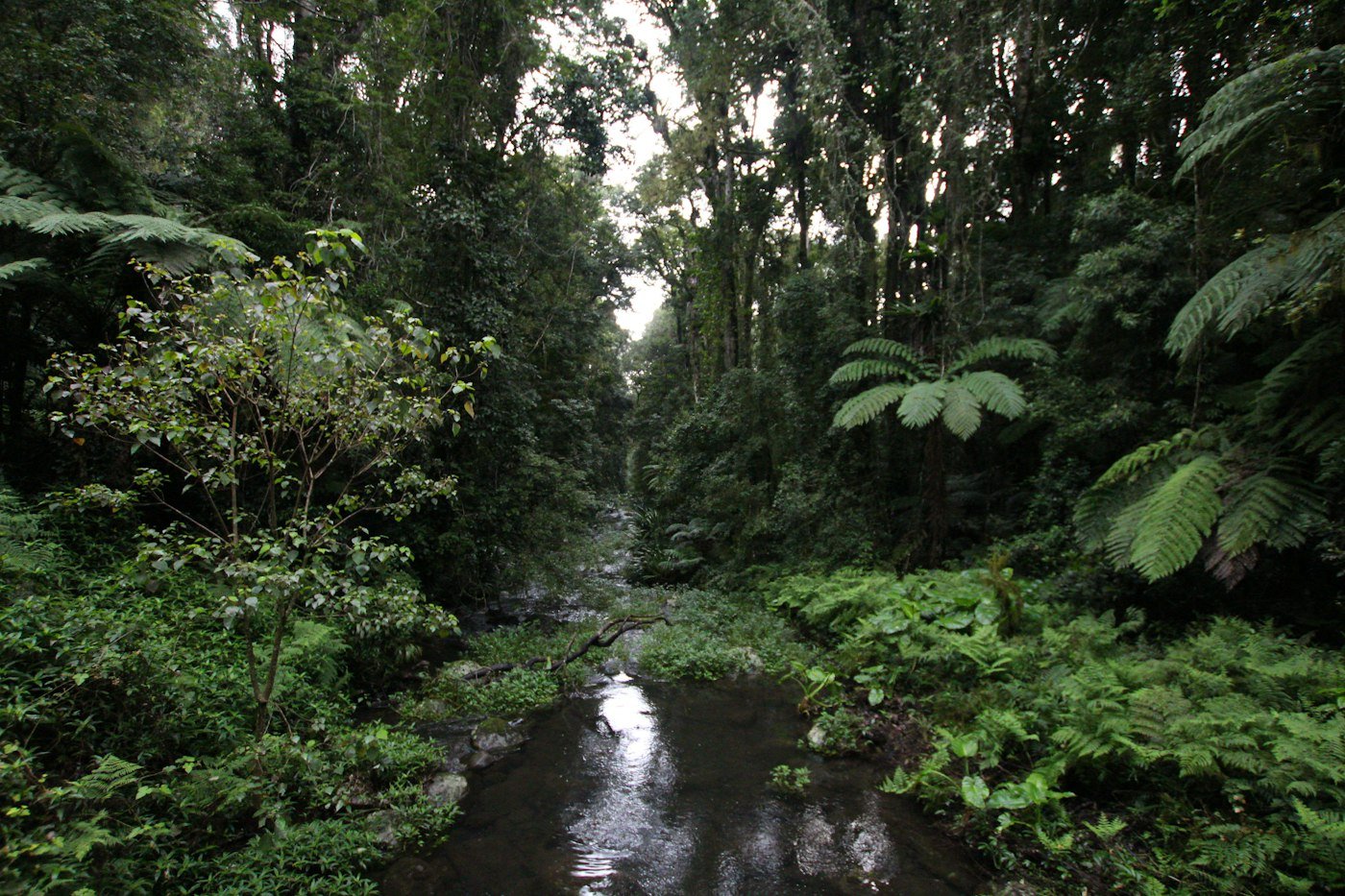
Everyone pictures the Amazon before they’ve seen it, and Colombia’s slice of it will quietly rearrange that picture. This isn’t the Amazon of documentary drone shots — it’s slower, wetter, and a lot more sociable than that. You’ll spend your days on brown river water instead of highways, sleep to a genuinely deafening chorus of frogs and insects, and realize by day two that “remote” here means something different than it does anywhere else in Colombia. Leticia is where the trip starts, but it’s not really the point — it’s the front door.
Not Your Average River Town
Leticia sits at a genuine tri-border point — Colombia, Brazil, and Peru all meet within walking distance of each other, which is a strange thing to process the first time someone points it out over lunch. But the real headline act is upriver: Puerto Nariño, a town with no cars or motorcycles at all, officially recognized as Colombia’s first certified sustainable destination. Everyone gets around on foot, by bike, or by canoe, and the quiet that results is not something you get used to — it’s something you notice every single day you’re there.


How to Fill Your Days
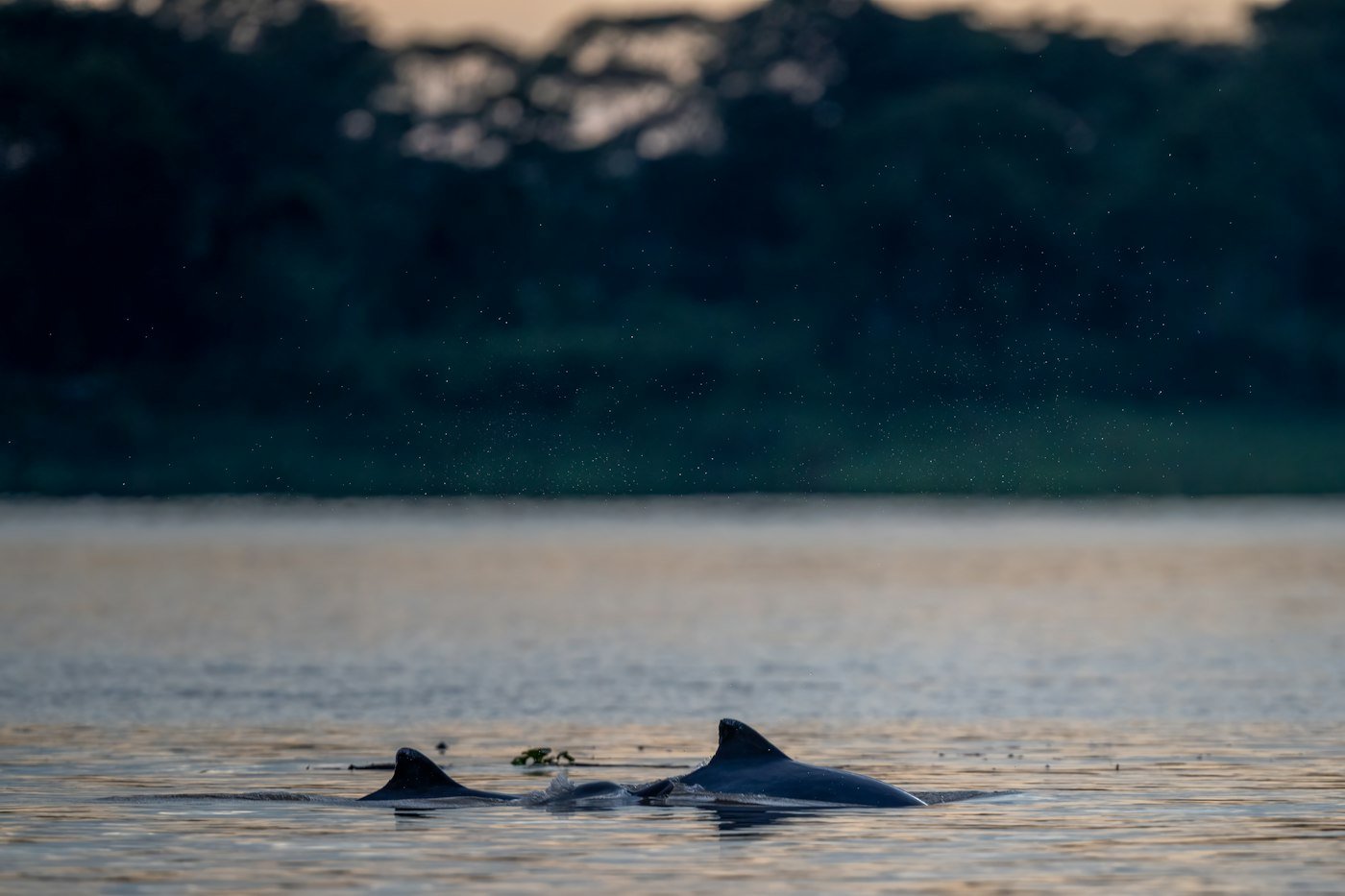
The Tarapoto Lakes, out from Puerto Nariño, are the headline stop — a network of calm waters where pink and grey river dolphins turn up reliably enough that guides talk about them the way you’d talk about the bus schedule. Beyond that, expect jungle hikes with a naturalist guide, canopy walks, slow canoe trips through flooded forest, and night excursions with flashlights hunting for caimans and nocturnal wildlife. It’s a trip built around water and patience rather than a ticked-off attraction list, and it rewards travelers happy to sit quietly and let the jungle come to them.
What’s on the Plate
River fish is the star here — pescado frito served with patacón (fried plantain) shows up constantly, and for good reason. Fruit stands in Leticia carry Amazonian fruits most Colombians from other regions have never tried, worth asking about even if you can’t pronounce the names. We don’t have verified specifics on individual restaurants to recommend here, so lean on your guide or lodge for current, reliable suggestions rather than a list that might be stale by the time you land.
Whose Jungle This Really Is
This is Indigenous territory first and a tourist destination a distant second — Ticuna, Cocama, and Yagua communities live here, and the region’s culture is theirs, not a backdrop built for visitors. Good operators work directly with these communities rather than around them, and the difference shows in how a trip actually feels once you’re there. The tri-border setup with Brazil and Peru is its own quiet piece of history too: three countries, one river, and a genuinely blurry sense of exactly whose side of the water you’re standing on at any given moment.
Who This Trip Is Built For
Wildlife lovers get dolphins, birds, and a real shot at nocturnal caimans without the hyperbole. Curious travelers who like slow, immersive trips will thrive here more than anyone chasing a highlight reel. Families can make it work, but plan around the humidity, the boat time, and a slower pace than a typical city itinerary. It’s a harder fit for anyone who needs constant activity or air conditioning on tap — comfort here means a good hammock, not a five-star lobby.
The Logistics
Getting there: fly into Leticia, generally connecting through Bogotá. Getting around: boat from Leticia to Puerto Nariño (roughly two hours), then canoe and foot from there. Weather: hot and consistently humid, with no true dry season — June through November tends to bring somewhat less rain. Safety: the tourist circuit around Leticia and Puerto Nariño is well established and considered safe, though as always, go with a reputable operator for anything deeper into the jungle. Money: Leticia has some card acceptance and ATMs; Puerto Nariño and anywhere further out is cash-only, so stock up before you leave the city. Opening hours: not really relevant — this runs on boat schedules and daylight, not storefront hours.
How Long to Stick Around
Three to four nights is the sweet spot for most travelers — enough time to actually settle into Puerto Nariño’s rhythm rather than just passing through it. Shorter trips are possible but feel rushed given how much of the experience is travel time by boat.
Pack This, Skip That
Pack light, breathable clothing plus one long-sleeve layer for evening bug protection — the mosquitoes here take their job seriously. A dry bag for your phone and camera earns its keep on every canoe trip. Base yourself in Puerto Nariño rather than Leticia if you can; the town itself is most of the experience, not just a stopover between excursions. And go in with zero fixed expectations about wildlife sightings — the jungle shows up on its own schedule, not yours.
Facts That Sound Made Up (They’re Not)
- Leticia sits at a point where Colombia, Brazil, and Peru all meet — you can walk into a different country over lunch.
- Puerto Nariño has no cars or motorcycles at all — everyone moves on foot, by bike, or by canoe.
- The Amazon River dolphins found here come in two colors — pink and grey — and both show up in the Tarapoto Lakes.
- Puerto Nariño was Colombia’s first destination to earn official sustainable-tourism certification.
Good to Know