
La Guajira
Where the Desert Just Walks Into the Sea
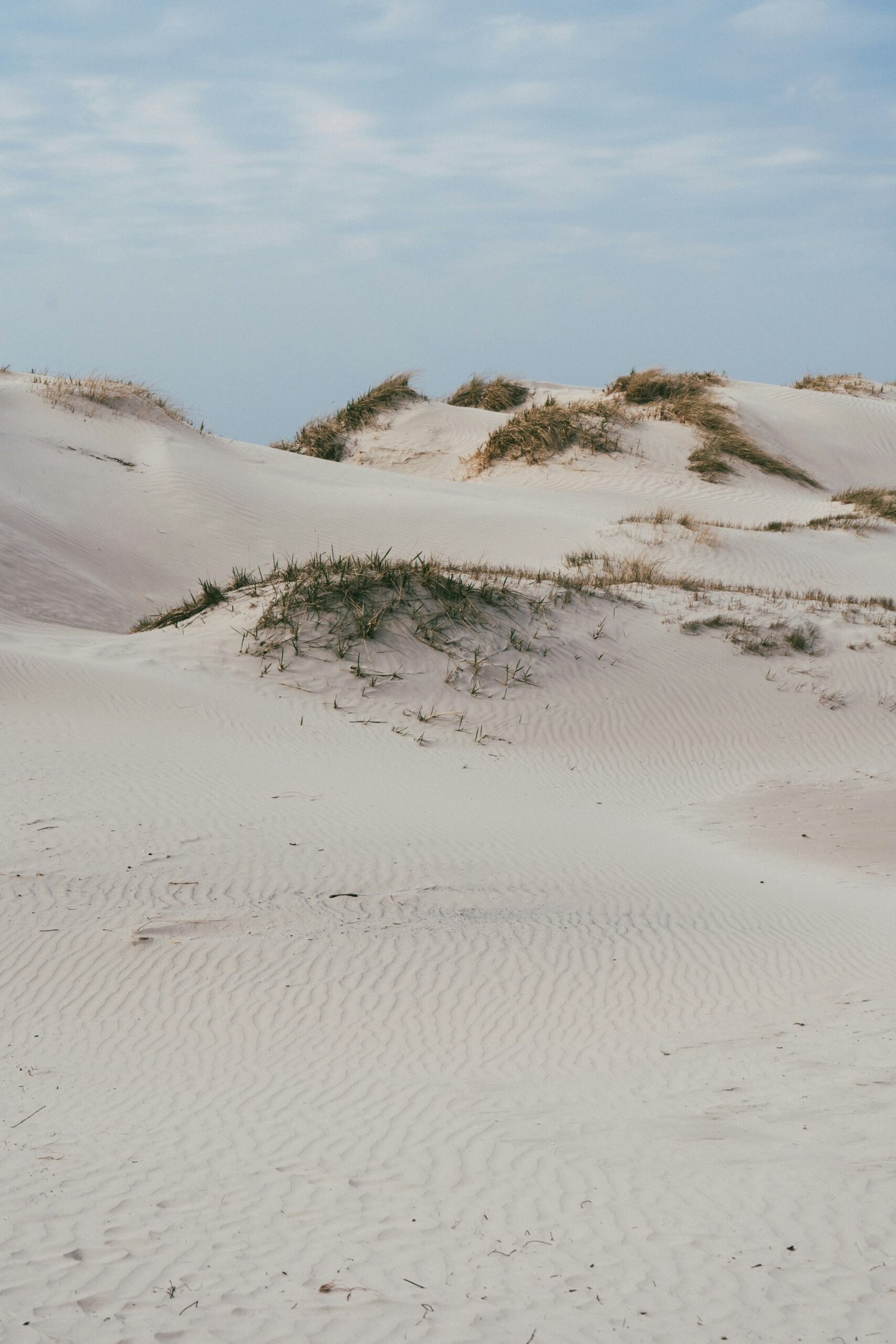
La Guajira is the part of Colombia that breaks every mental image people have of the country – no coffee farms, no cloud forest, just red-orange desert dunes rolling straight into the turquoise Caribbean. It’s Colombia’s northernmost department, and it’s also home to the Wayuu, one of the country’s largest Indigenous peoples, whose culture shapes almost everything about how you experience this place. It’s remote, it’s stark, and it doesn’t try to be anything other than exactly that.
What Sets It Apart
Punta Gallinas, at La Guajira’s northern tip, is the northernmost point of the entire South American continent – which means the desert-meets-sea view you get there isn’t just dramatic, it’s geographically singular. The Wayuu people maintain their own language, social structure, and craft traditions here, most visibly through the mochila, a hand-woven bag with patterns that carry meaning within Wayuu culture, and the chinchorro hammock. This isn’t a region packaged for tourism; it runs on its own terms.


How to Spend Your Time
Cabo de la Vela is the more accessible base for most visitors – a small fishing village considered sacred within Wayuu cosmology, and increasingly known among kitesurfers for its steady winds. From there, multi-day 4×4 trips head further north to Punta Gallinas, crossing genuinely remote desert terrain to reach the cliffs and dunes at South America’s northernmost point. Near Manaure, the salt flats (salinas) are still worked using traditional methods and are worth seeing if your route takes you past them. This is a region best experienced with a local or Wayuu-led guide, both for navigation and because you’re moving through Wayuu territory, not a generic national park.
What’s on the Menu
Fresh seafood dominates, particularly in the coastal Wayuu communities where fishing is central to daily life; goat meat also features in traditional Wayuu cooking. This is a sparsely populated desert region, so don’t expect the restaurant variety of Cartagena or Santa Marta – meals are often simple, home-cooked, and tied to whatever the community you’re staying with prepares. We don’t have verified current details on specific places to eat, so lean on whoever is guiding your visit.
The Longer Story
The Wayuu have inhabited this peninsula since long before Spanish colonization, and unlike many Indigenous groups elsewhere in Colombia, they maintained a degree of autonomy that shaped how the region developed – La Guajira was never fully absorbed into the colonial and later national systems the way other parts of Colombia were. That history is part of why Wayuu language, social organization (built around matrilineal clans), and craft traditions remain so visibly intact today. Visiting here means visiting Wayuu territory, and treating it with that understanding matters.
Who’s Going to Love It
Adventurous travelers who don’t mind rough roads and basic accommodation in exchange for landscapes and cultural immersion unlike anywhere else in Colombia. Kitesurfers drawn to Cabo de la Vela’s wind conditions. Photographers chasing the desert-meets-ocean contrast. It’s not for travelers wanting comfort, quick access, or a packed itinerary of sights – distances are long and infrastructure is minimal by design.
The Logistics
Getting there: most visitors fly into Riohacha, the departmental capital, then continue overland; reaching Cabo de la Vela and Punta Gallinas requires 4×4 vehicles over unpaved terrain, arranged through a tour operator or guide. Getting around: independent travel is difficult here – a guide or organized tour is the practical way to see the region. Weather: hot, dry, and desert-like year-round, with strong winds especially near Cabo de la Vela. Safety: conditions can vary by area, so check current guidance before planning a route. Money: cash is essential; this is a remote region with very limited card infrastructure. Opening hours: not applicable in the usual sense – this is open landscape and small communities, not a ticketed site.
How Long to Stay
Two to three days is the realistic minimum for a Cabo de la Vela trip; reaching Punta Gallinas as well typically stretches that to three or four days given the travel distances and desert terrain involved.
Things We’d Tell a Friend
Go with a guide, ideally one connected to Wayuu communities – this is their territory, and it shows respect as much as it makes practical sense. Pack more sun protection than you think you need; there’s no shade out there. Bring cash, and expect basic accommodation (hammocks are common, not a downgrade). And go in with the expectation that this is about landscape and culture, not comfort.
Things That Sound Made Up
- Punta Gallinas is the northernmost point of the entire South American continent, and it sits inside Colombia’s own desert.
- The Wayuu maintain a matrilineal clan system that has shaped social organization here for centuries.
- Near Manaure, salt has been harvested from coastal salt flats using traditional methods for generations.
Good to Know


