
Medellín
The City That Rebuilt Itself
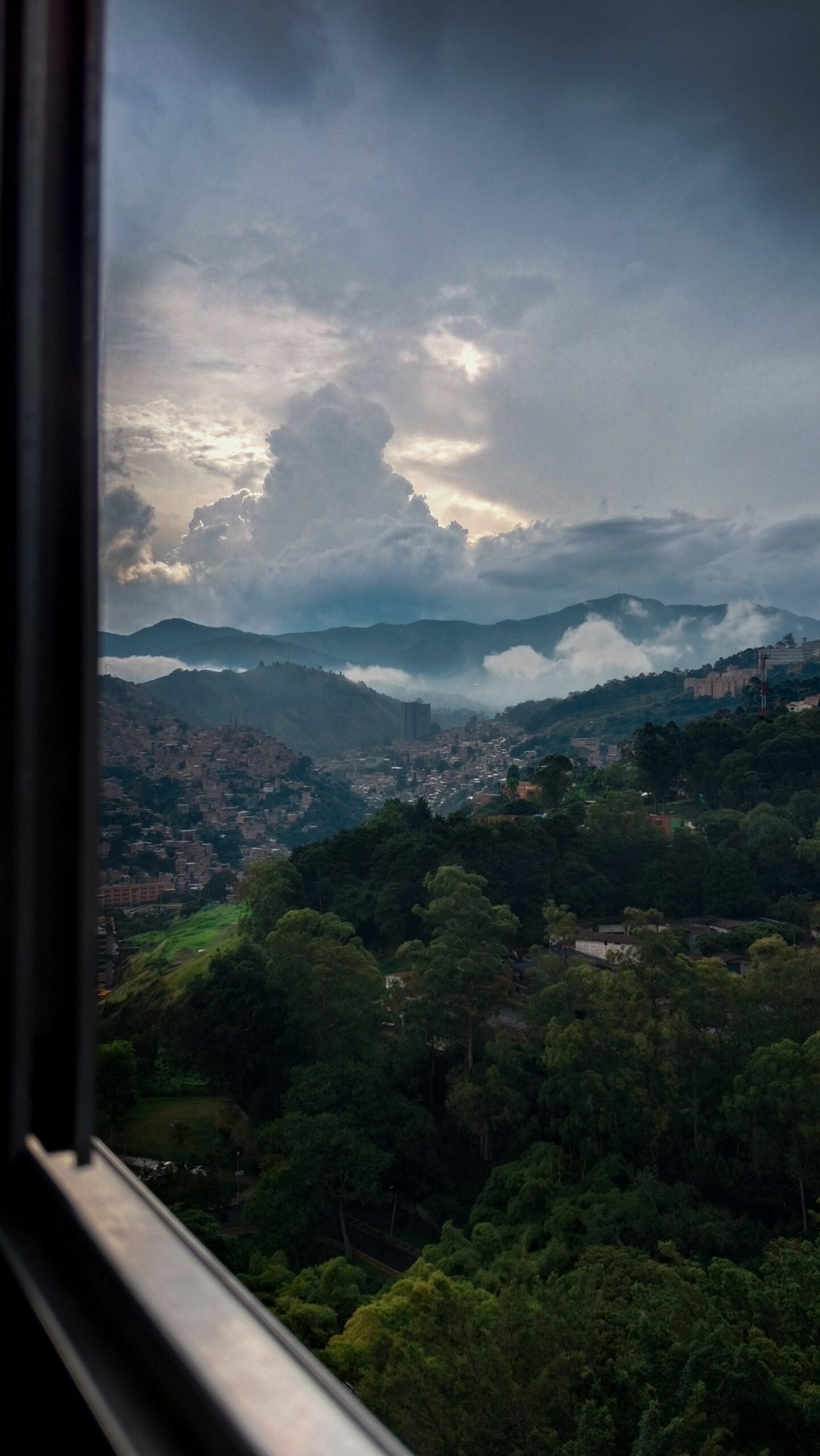
Medellín spends a lot of energy making sure you know it’s not the city it used to be, and honestly, it’s earned the right. Built into a steep valley in the Aburrá region, with red-brick barrios climbing the hillsides in every direction, it’s become one of South America’s genuine urban transformation stories – and a city that’s figured out how to be both efficient and warm at the same time, which isn’t a common combination.
What Sets It Apart
Medellín’s Metro system, including its cable cars, is the backbone of the city’s public transport and its most visible symbol of change – gondolas that were built to connect hillside neighborhoods that used to be cut off from the rest of the city, now doubling as one of the best ways to see Medellín from above. The city also earns its nickname, “the City of Eternal Spring,” thanks to a mild, remarkably stable climate that barely shifts across the year.


How to Spend Your Time
Comuna 13, once one of the city’s most dangerous neighborhoods, is now known for its outdoor escalators and vivid street art – a local-guided walking tour is the right way to see it, both for context and because the money supports the community that transformed it. The Metrocable itself is worth riding just for the experience, gliding over rooftops toward Parque Arví, a nature reserve at the top with trails and a market on weekends. Plaza Botero, in the city center, is packed with the sculptor Fernando Botero’s signature oversized bronze figures, free to wander among at any hour.
What’s on the Menu
Bandeja paisa – a hefty plate of beans, rice, ground meat, chorizo, fried egg, plantain, and arepa – is the signature dish of the wider Antioquia region and Medellín is where you’ll find it done properly, usually meant to be shared or at least approached with a plan. The city’s food scene has also grown well beyond tradition in recent years, with a genuinely strong restaurant and café culture in neighborhoods like El Poblado and Laureles. We don’t have verified current restaurant names to pass along, so it’s worth asking locally for what’s good right now.
The Longer Story
Medellín’s history through the 1980s and 1990s, shaped by drug-trafficking violence, is well known internationally and impossible to fully separate from how the city is often portrayed abroad. What’s less visible from outside is the deliberate, decades-long civic effort that followed – investment in public transport, libraries, and public space specifically in the neighborhoods that had suffered most, a strategy often credited with the city’s dramatic drop in violence and its emergence as a genuine innovation and culture hub in the region.
Who’s Going to Love It
City and culture lovers get museums, street art, architecture, and a genuinely good food and nightlife scene. Remote workers and longer-stay travelers are drawn to the climate, the infrastructure, and the sizeable international community already here. History-minded travelers will find the Comuna 13 story essential, if heavy, context for the country. It’s a lighter fit for travelers chasing beaches or jungle – those experiences are elsewhere in Colombia, not here.
The Logistics
Getting there: José María Córdova International Airport sits outside the city, roughly 40-60 minutes from central Medellín by road, with direct flights from several major cities in the Americas and beyond. Getting around: the Metro and Metrocable system is clean, efficient, and genuinely the best way to get around – a rarity in the region. Weather: mild and spring-like nearly year-round, a real perk after the highland cold of Bogotá or Boyacá. Safety: vastly improved from decades past, but still a big city – stick to well-reviewed neighborhoods, especially at night, and take the usual precautions. Money: cards are widely accepted in restaurants and shops in the main tourist areas; carry cash for smaller vendors and the Metro. Opening hours: most museums close on Mondays.
How Long to Stay
Three to four days covers the city well – Comuna 13, the Metrocable and Parque Arví, Plaza Botero and the downtown core, plus time to just enjoy a neighborhood like El Poblado or Laureles at a slower pace.
Things We’d Tell a Friend
Book a local guide for Comuna 13 rather than wandering it alone – the context genuinely changes what you’re seeing, and it supports the community directly. Load a transit card for the Metro; it’s cheap and by far the easiest way around. Pick a neighborhood as your base with some care, since Medellín’s areas vary a lot in feel and safety. And don’t expect Caribbean-style heat – this is mountain climate, cooler and more temperate than people assume from “Colombia.”
Things That Sound Made Up
- Medellín’s Metrocable was one of the first cable-car systems in the world built as everyday public transit rather than tourism or skiing infrastructure.
- Comuna 13’s outdoor escalators, now a major attraction, were originally built to help residents avoid a punishing uphill walk of hundreds of steps.
- Plaza Botero holds 23 bronze sculptures donated by Fernando Botero himself, all displayed outdoors and free to the public.
Good to Know


