

Mompox
The Town Time Forgot (On Purpose, Sort Of)
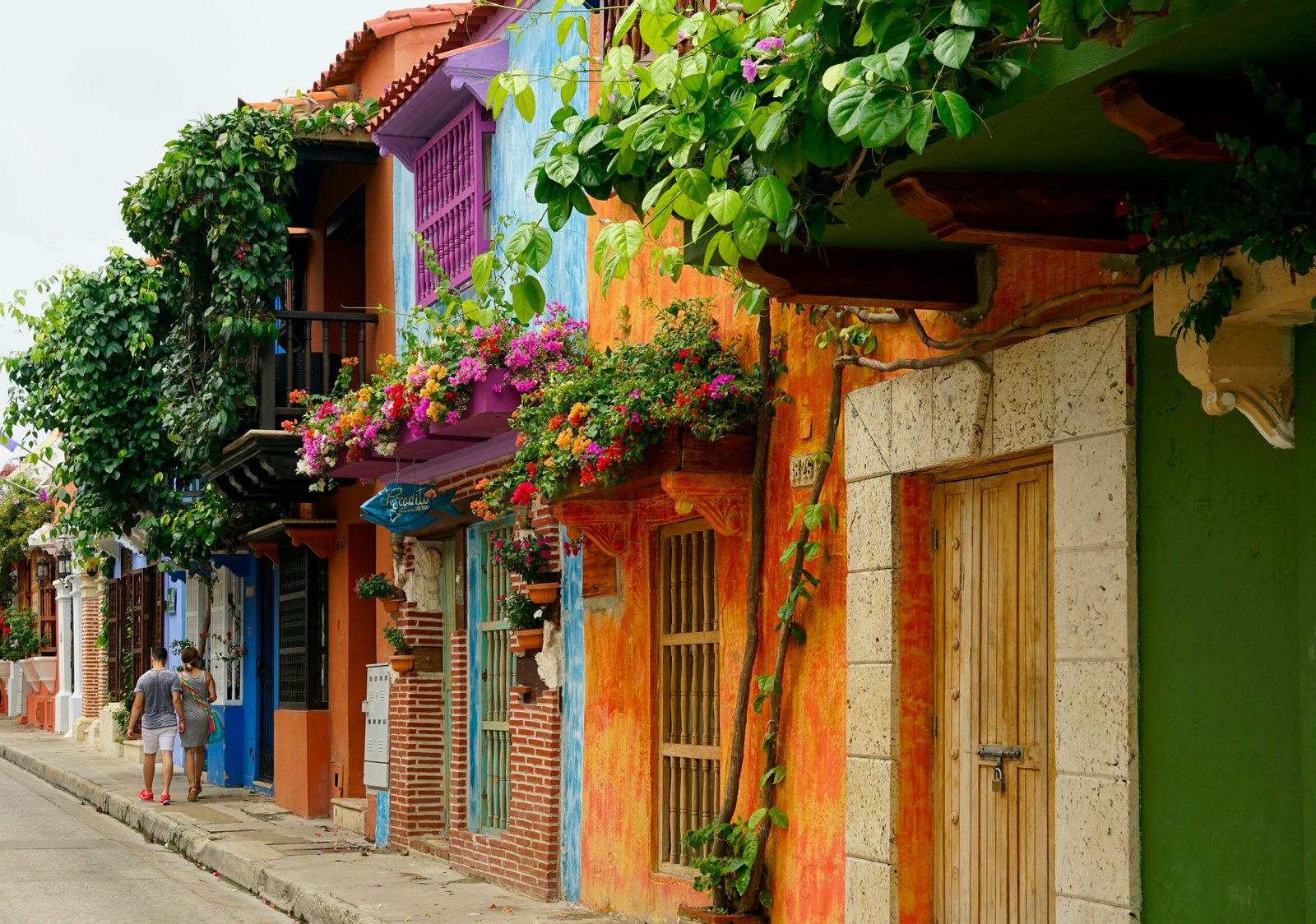
Mompox exists because the Magdalena River decided, over a few centuries, to change its course and quietly strand this colonial river port away from the main trade route. That accident of geography is the whole reason the town survived as beautifully intact as it did – nobody bothered to modernize a place the river had bypassed. The result is one of the best-preserved Spanish colonial towns in the Americas, sitting on a river island in Bolivar department, and it feels genuinely lost in time rather than styled to look that way.
What Sets It Apart
The historic centre of Santa Cruz de Mompox is a UNESCO World Heritage Site, recognized for its well-preserved colonial architecture and riverside urban layout. It’s also Colombia’s traditional center of filigree silver work (orfebreria en filigrana), a craft passed down through generations of local artisans. Gabriel Garcia Marquez drew on Mompox as inspiration for settings in his fiction, and the real historical figure Simon Bolivar passed through the town during his campaigns – it has that kind of layered, literary-meets-historical weight without ever feeling like a museum piece.


How to Spend Your Time
Mompox rewards slow walking more than a checklist. The riverside albarradas (the raised waterfront walkways) are where the town’s relationship with the Magdalena is most visible, and wandering between the town’s colonial churches – including Santa Barbara with its distinctive tower – gives a real sense of the architecture. Seek out a filigree silver workshop if you can; watching the craft in progress is more memorable than just buying the finished piece. If your visit lines up with Semana Santa (Holy Week), Mompox’s processions are historically significant and among the oldest continuously held in the Americas – though expect the town to be considerably busier and accommodation to book up well in advance.
What’s on the Menu
As a river town, expect freshwater fish from the Magdalena to feature heavily, alongside the plantain, rice, and coconut-based cooking common across Colombia’s river and Caribbean regions. We don’t have verified current restaurant names to recommend, so ask locally once you’re there – a town this small tends to have strong opinions on where the best food is.
The Longer Story
Mompox was founded in the 1500s as a river port and quickly became an important stop for trade moving between the Caribbean coast and Colombia’s interior along the Magdalena. Its prosperity is written into the architecture – grand colonial houses with wrought-iron details that a small, isolated town wouldn’t otherwise have built. When the river shifted and left Mompox off the main navigable channel, the town’s commercial importance faded, but that same isolation is precisely what kept developers and modern construction away, preserving the historic centre that earned its UNESCO listing.
Who’s Going to Love It
Slow travelers who’d rather sit with one authentic place than rush between five will get the most out of Mompox. Architecture and history fans will find a colonial town with far less restoration polish (and far fewer other tourists) than Cartagena. It’s not the place for travelers who want beaches, nightlife, or a wide restaurant scene – Mompox is quiet, and that’s the whole point.
The Logistics
Getting there: Mompox has no commercial airport; it’s typically reached overland from Cartagena or the interior, often combining a road journey with a river or ferry crossing – we don’t have verified current travel times or routes, so check with a local operator before planning your schedule. Getting around: the historic centre is small and walkable. Weather: hot and humid, typical of Colombia’s river lowlands. Safety: standard travel precautions apply; as with any less-visited town, it’s worth checking current conditions before you go. Money: cash is essential here – card acceptance is far less reliable than in Cartagena or Bogota. Opening hours: we don’t have verified current hours for churches, workshops, or museums, so confirm locally.
How Long to Stay
One full day covers the historic centre at a relaxed pace; two days lets you add a filigree workshop visit and a proper riverside sunset without feeling rushed. Given the effort it takes to get here, most travelers find it worth stretching to at least an overnight.
Things We’d Tell a Friend
Bring cash, and more than you think you’ll need. Confirm your route and travel time with a local operator before you go, since getting here takes real planning. If you’re drawn to the idea of Mompox, don’t wait for it to become the next Cartagena – part of what makes it special is exactly that it hasn’t.
Things That Sound Made Up
- Mompox’s isolation happened because the Magdalena River physically shifted its course over the centuries, cutting the town off from the main trade route.
- The historic centre is a UNESCO World Heritage Site precisely because so little of it was ever modernized.
- Mompox’s filigree silverwork tradition is distinctive enough that it’s considered one of Colombia’s signature regional crafts.
Good to Know


