

Barranquilla
The City That Throws the Party
Barranquilla doesn’t have Cartagena’s postcard walls or Santa Marta’s mountains-meet-sea views, and it doesn’t need them – it has Carnaval, one of the biggest and oldest carnival celebrations in the world, and a working-port energy the rest of the year that feels distinctly its own. This is a river city, sitting where the Magdalena meets the Caribbean, and it wears that mixed identity – part river town, part port city, part cultural capital – without much fuss.
What Sets It Apart
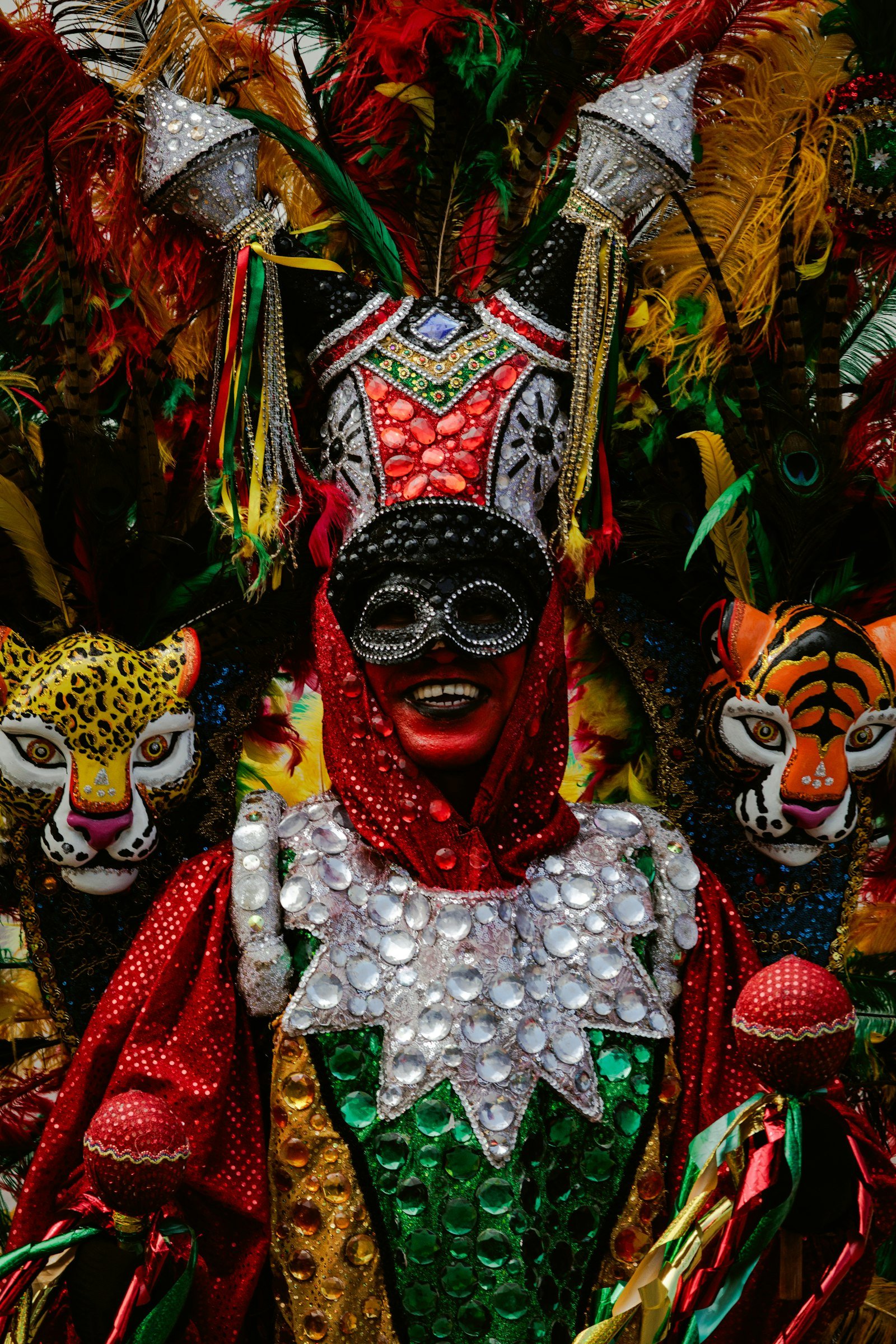
Carnaval de Barranquilla is recognized by UNESCO as part of the Intangible Cultural Heritage of Humanity, and it earns that status honestly – a genuine folk celebration, not a manufactured tourist spectacle, blending Indigenous, African, and Spanish traditions into characters like the Marimonda and the Congo that have been performed for generations. Outside Carnaval season, Barranquilla is also known as the birthplace of several major Colombian cultural figures, including Nobel laureate Gabriel García Márquez, who spent formative years here.


How to Spend Your Time
If you can time a visit around Carnaval (usually February or March, in the run-up to Lent), do it – the Battle of the Flowers parade and the sheer scale of costumes, music, and dancing in the streets is genuinely unlike anything else in Colombia. Outside that season, the Romantic Museum and the Museum of the Caribbean (Museo del Caribe) do a good job of explaining the region’s culture and Carnaval’s history for the rest of the year. The Malecón del Río, a riverside promenade along the Magdalena, is worth a walk for a sense of the city’s working-river identity.
What’s on the Menu
Butifarra, a distinctive local sausage, and fresh Caribbean seafood are both regional staples, alongside arepas de huevo and other coastal street food you’ll find throughout Colombia’s Caribbean region. Carnaval season brings its own food culture too, with street vendors selling snacks and drinks along every parade route. We don’t have verified current restaurant names to recommend, so it’s worth asking locally for what’s good right now.
The Longer Story
Barranquilla grew rapidly in the 19th and early 20th centuries as Colombia’s main river port, connecting the interior to the Caribbean and, through it, to the world – a role that gave the city an unusually cosmopolitan, immigrant-shaped character for its size. Carnaval’s roots run deeper still, blending pre-Columbian, African, and European traditions that arrived through exactly that port, which is part of why the celebration feels so genuinely layered rather than performative.
Who’s Going to Love It
Culture and music lovers who can time it around Carnaval will get one of the great festival experiences anywhere. History-minded travelers interested in Colombia’s literary and cultural figures will find real depth here. It’s a more workaday, less postcard-pretty city than Cartagena, so travelers looking purely for colonial architecture may prefer to prioritize elsewhere unless Carnaval timing lines up.
The Logistics
Getting there: Ernesto Cortissoz International Airport connects Barranquilla to major Colombian cities and several international destinations. Getting around: taxis and ride-hailing apps are the easiest way to get around; the city is more spread out and less walkable than Cartagena’s old town. Weather: hot and humid year-round, typical Caribbean coast conditions. Safety: standard big-city precautions apply; Carnaval crowds specifically call for extra awareness of belongings. Money: cards are accepted in most restaurants and hotels; cash is useful for street food and smaller vendors, especially during Carnaval. Opening hours: during Carnaval, the whole city’s schedule shifts around the parade calendar, so it’s worth checking specific event times rather than assuming normal hours.
How Long to Stay
Two days is enough outside Carnaval season to see the main museums and the riverfront. During Carnaval, four or five days lets you catch multiple parades and events without exhausting yourself in the first 24 hours.
Things We’d Tell a Friend
Book accommodation months ahead if you’re coming for Carnaval – the city fills up fast and prices climb accordingly. Bring cash and keep it secure in crowds; parade days get genuinely packed. Pace yourself during Carnaval – it runs for days, and burning out on day one means missing the best of it. And outside Carnaval, don’t expect a colonial-postcard city – Barranquilla is a real, working city first.
Things That Sound Made Up
- Carnaval de Barranquilla is one of the largest carnival celebrations in the world and carries UNESCO Intangible Cultural Heritage status.
- Gabriel García Márquez, Colombia’s Nobel Prize-winning author, spent significant early years of his career in Barranquilla.
- The Marimonda character, with its oversized ears and long snout, has no single agreed origin story – just generations of Carnaval performers reinventing it.
Good to Know


