

San Andrés
The Colombian Island Closer to Nicaragua Than Colombia
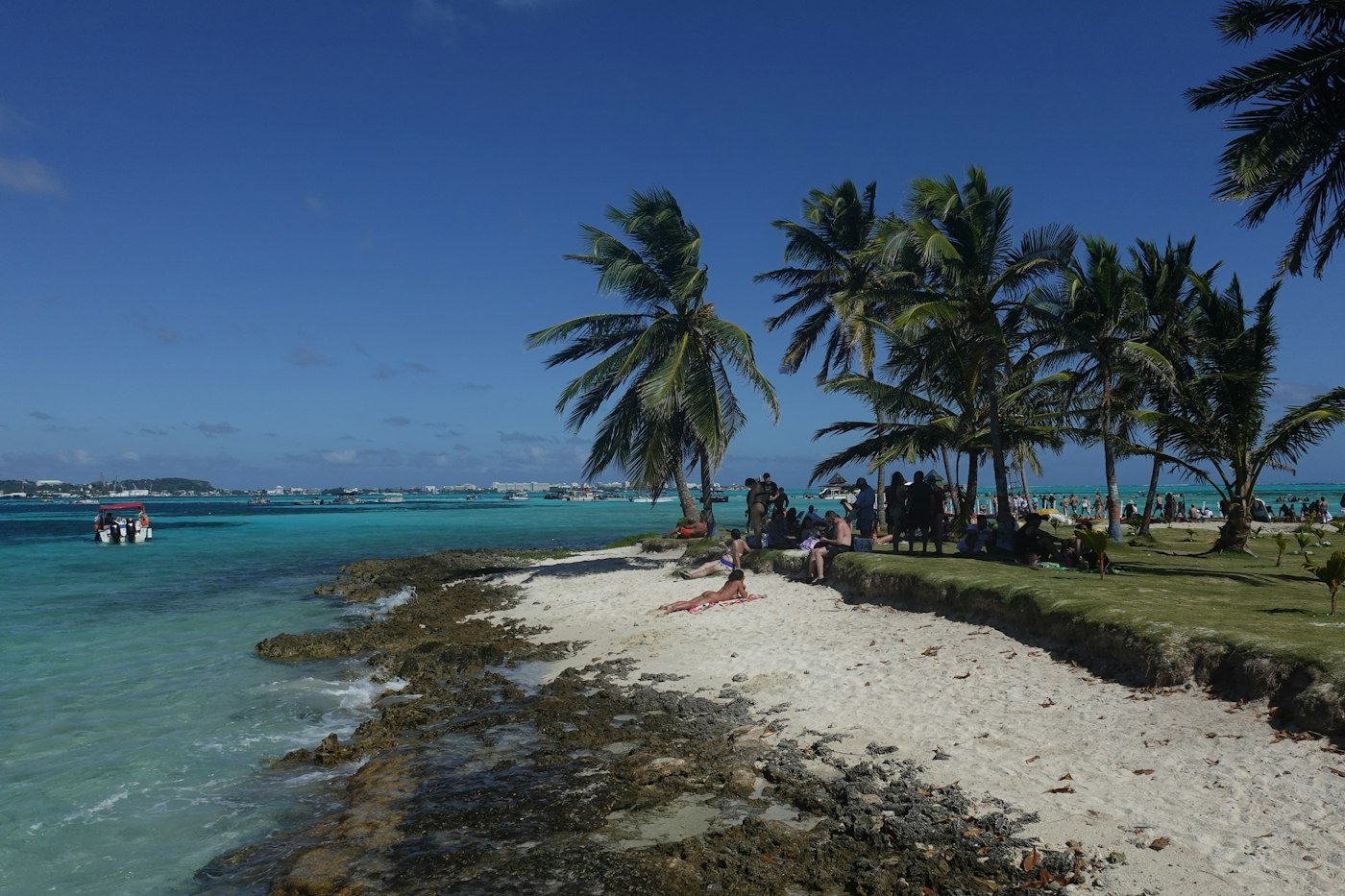
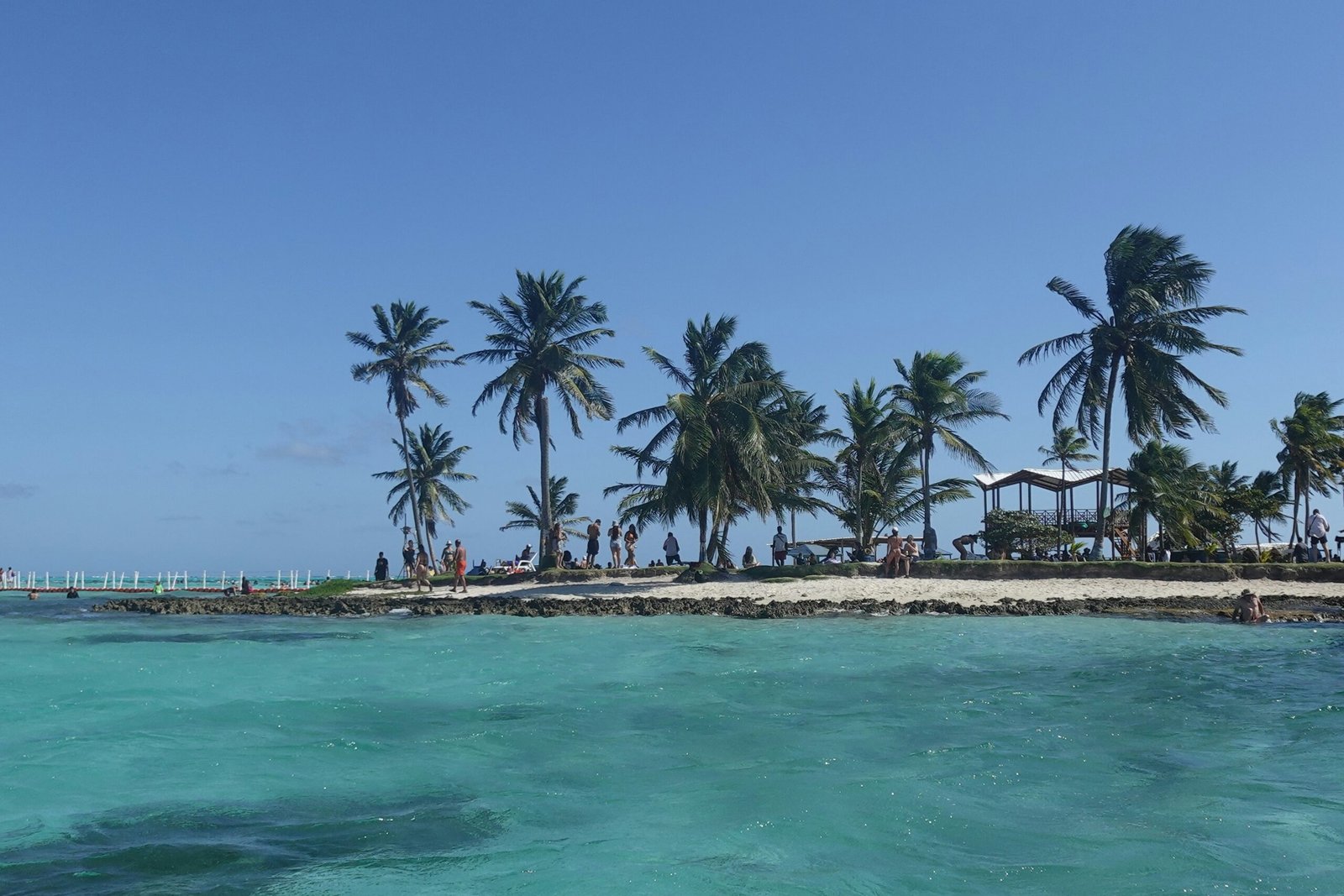
San Andres sits in the Caribbean Sea, geographically nearer to Nicaragua than to mainland Colombia, and the island’s water earns its nickname – locals call it the Mar de Siete Colores, the Sea of Seven Colors, for the bands of turquoise, teal, and deep blue you can see stacked on top of each other from the beach. It’s a small island with a genuinely distinct identity: part Colombian, part Caribbean, with a Raizal culture and English-based Creole that you won’t find anywhere else in the country.
What Sets It Apart
The surrounding reef system is part of the Seaflower Biosphere Reserve, a UNESCO-recognized marine protected area and one of the largest in the Caribbean, which is why the snorkeling and diving here consistently impresses people who’ve done both elsewhere in the region. The island’s Raizal community has Afro-Caribbean roots and its own English Creole language, a legacy of the archipelago’s complicated colonial history under both British and Spanish influence before it became part of Colombia – this cultural layering is part of what makes San Andres feel distinct from anywhere else on Colombia’s map.


How to Spend Your Time
Johnny Cay and El Acuario are the two small islets most visitors boat out to, both known for shallow, impossibly clear water that’s easy and safe to swim in. San Luis beach, on the island’s quieter side, is a good alternative to the busier town beaches. Snorkeling and diving trips into the Seaflower reserve are the main draw beyond the beach itself, and San Andres has historically been known as a duty-free shopping stop too, though we don’t have verified current details on what that looks like today. If you have extra time, a boat or small-plane trip to Providencia – San Andres’s quieter, less-developed sister island – is widely considered worth the extra effort.
What’s on the Menu
Seafood is the obvious strength here – fresh fish, lobster, and conch prepared with a distinctly Caribbean, coconut-forward style that sets it apart from mainland Colombian cooking. Raizal cuisine blends Caribbean and Colombian influences in ways you won’t find elsewhere in the country. We don’t have verified current restaurant names to recommend, so ask locally once you’ve landed.
The Longer Story
The archipelago’s sovereignty has been a long-running point of dispute between Colombia and Nicaragua, given its proximity to the Central American coast, and international court rulings over the years have redrawn maritime boundaries in the surrounding waters even as the islands themselves remained Colombian. That geopolitical backstory is part of why San Andres has such a layered identity: a Colombian department that’s culturally and linguistically closer, in many ways, to its English-speaking Caribbean neighbors than to Bogota.
Who’s Going to Love It
Beach and snorkel-diving travelers who want reliably clear, calm Caribbean water without leaving Colombia. Honeymooners and couples drawn to a smaller, slower island pace than Cartagena. Divers specifically will want to build time around the Seaflower reserve’s reefs. It’s a less natural fit for travelers chasing colonial architecture or big-city energy – San Andres is an island escape, not a cultural-history stop.
The Logistics
Getting there: San Andres has its own airport with flights connecting to major Colombian cities. Getting around: golf carts and scooters are popular ways to get around the small island; taxis are also available. Weather: warm, tropical Caribbean climate year-round. Safety: standard travel precautions apply; it’s a well-established tourist destination. Money: cards are widely accepted in the main town; cash is useful for smaller vendors and boat trips. Opening hours: we don’t have verified current hours for specific attractions or shops, so confirm locally.
How Long to Stay
Three to four days covers the island comfortably, including a day trip to Johnny Cay or El Acuario. Add two or three more if you’re tacking on a trip to Providencia.
Things We’d Tell a Friend
Book boat trips to Johnny Cay or El Acuario early in the day, before the water traffic picks up. If diving is on your list, check what’s needed in advance rather than assuming you can arrange everything on arrival. And if you’ve got the extra days, don’t skip Providencia just because San Andres is the easier, more obvious stop – it’s a genuinely different pace.
Things That Sound Made Up
- San Andres is geographically closer to Nicaragua than to mainland Colombia, yet it’s unmistakably Colombian territory.
- The surrounding reef system sits inside the Seaflower Biosphere Reserve, a UNESCO-recognized marine protected area and one of the largest in the Caribbean.
- The island’s Raizal community speaks its own English-based Creole, a language you won’t hear anywhere else in Colombia.
Good to Know


