

Colombian Caribbean Experiences, Planned Privately
The Greater Colombian Caribbean, Beyond the Beach
Colombian Caribbean experiences go far beyond a beach day: colonial Cartagena and Mompox, the jungle and peaks of the Sierra Nevada de Santa Marta, the desert of La Guajira, the islands of San Andrés and Providencia, and the music of Barranquilla and Valledupar. ColombiaSky designs private trips across the region, so you can combine two or three of these worlds in one well-paced itinerary.
Most people picture one thing when they hear “Caribbean.” Colombia’s coast gives you several at once. Within a few hours you can go from snow-capped mountains to red sand dunes, from cumbia on a river town square to a reef in water so clear it changes color through the day. The trick is choosing well, and that’s where a local team helps.
WHAT TO DO
Signature Colombian Caribbean experiences
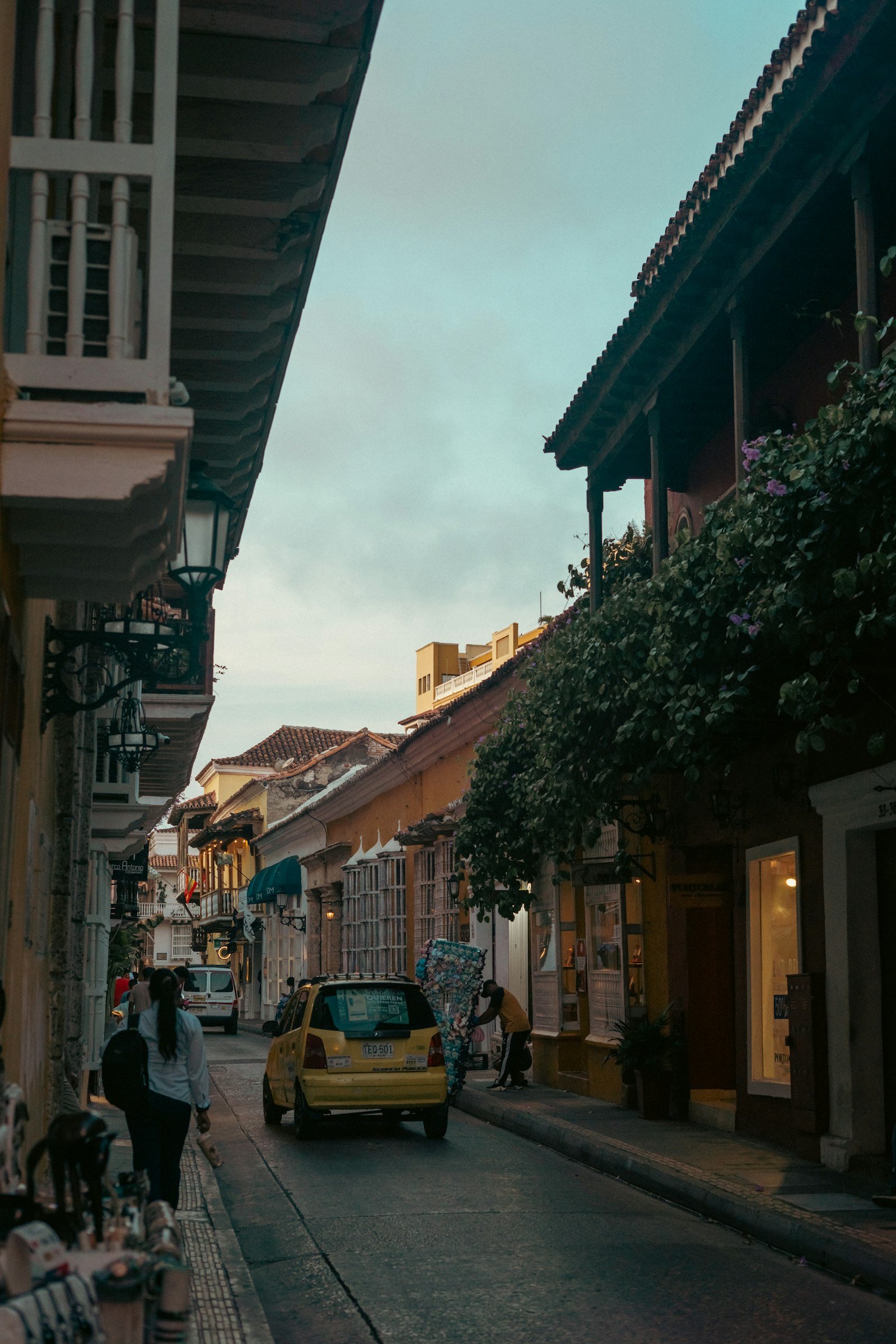
Walk the walled city at golden hour
Cartagena
A private guide through the UNESCO-listed old town and Getsemaní, then the city walls at sunset. Add a cooking class or a salsa lesson in the evening.
Swim with bioluminescence
Barú, near Cartagena
A night boat ride to calm water where tiny plankton glow with every stroke. One of our signature experiences, best on dark, moonless nights.
Slow down on the river
Mompox
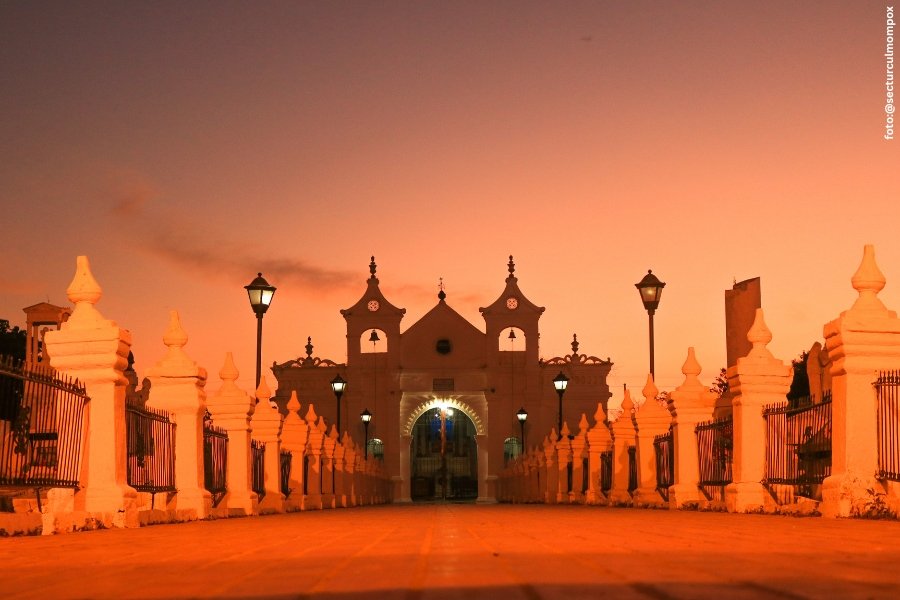
A UNESCO-listed colonial town on the Magdalena River, known for silver filigree, cumbia and boat trips into the Pijino wetlands at dawn.
Jungle, coffee and cacao in the mountains
Sierra Nevada de Santa Marta
Coffee and cacao farms, rivers and waterfalls around Minca, with the Sierra’s peaks rising behind. For serious hikers, the multi-day trek to Ciudad Perdida, the Lost City.
Beaches inside a national park
Tayrona National Natural Park
Forest trails that end on boulder-framed bays. Horseback riding, a picnic by the sea and, in Palomino, river tubing where the mountains meet the coast.
Desert, dunes and Wayuu culture
La Guajira
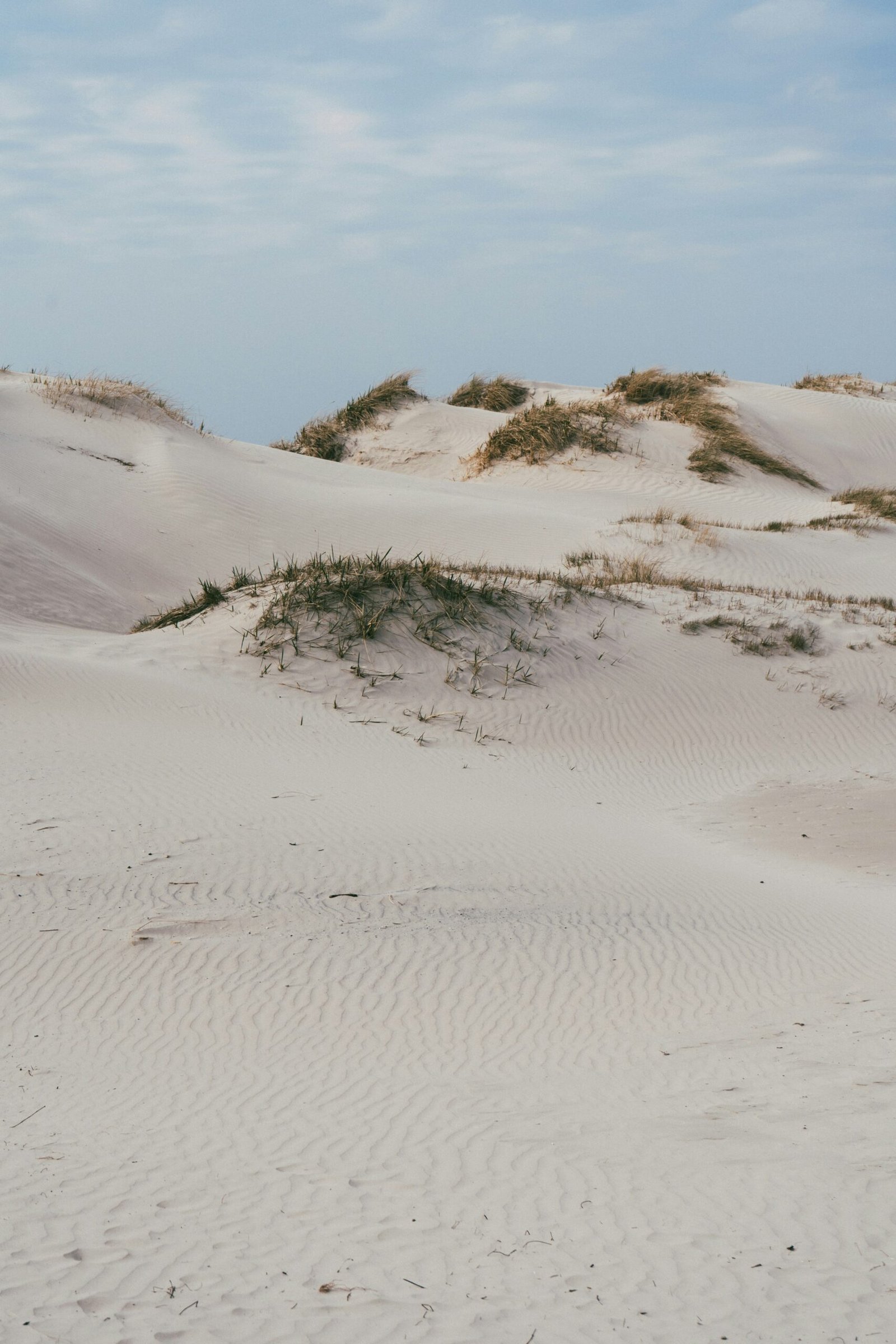
Cabo de la Vela, the dunes of Taroa near Punta Gallinas, and a visit shaped with a Wayuu community to learn about weaving and daily life.
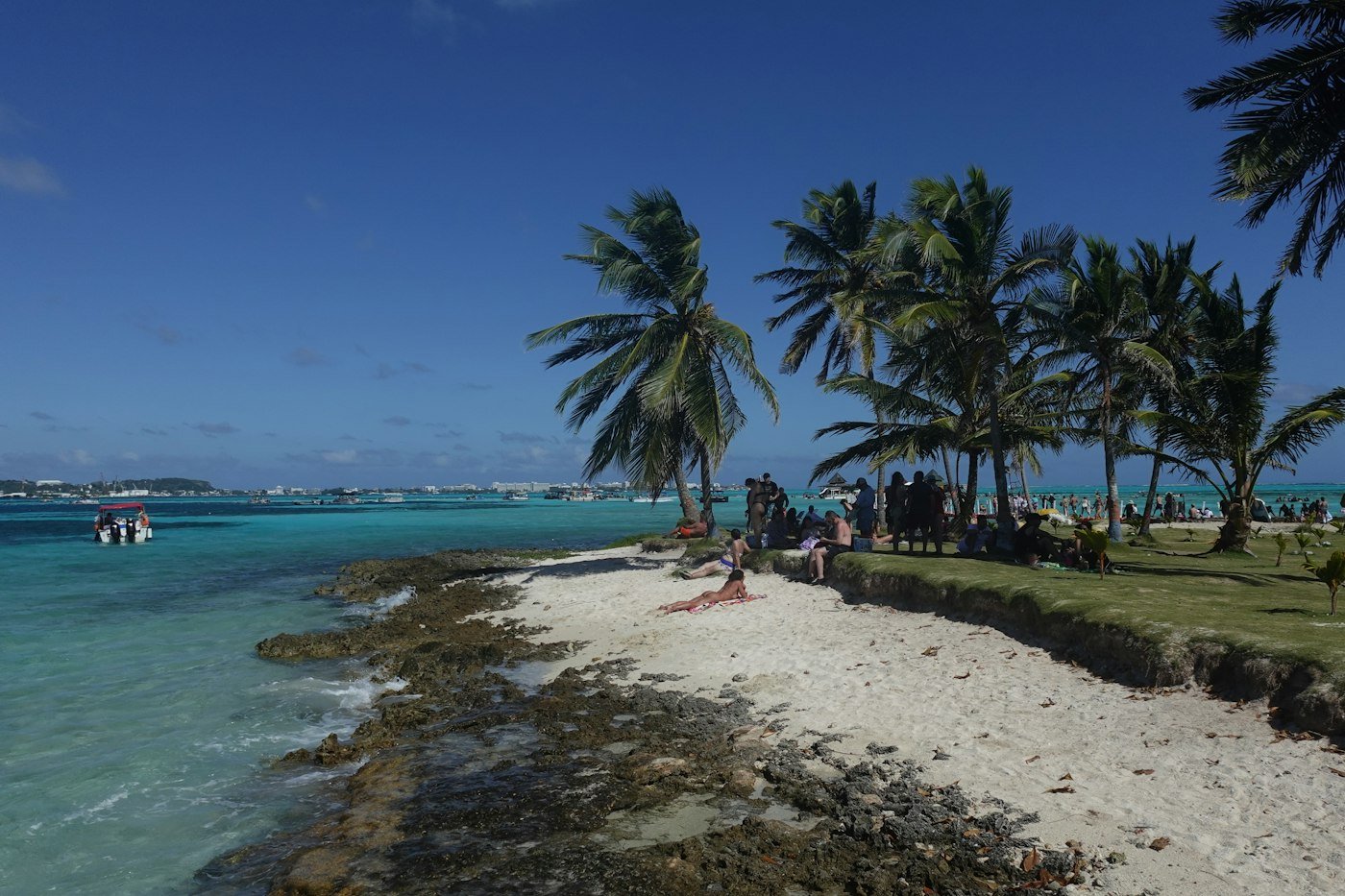
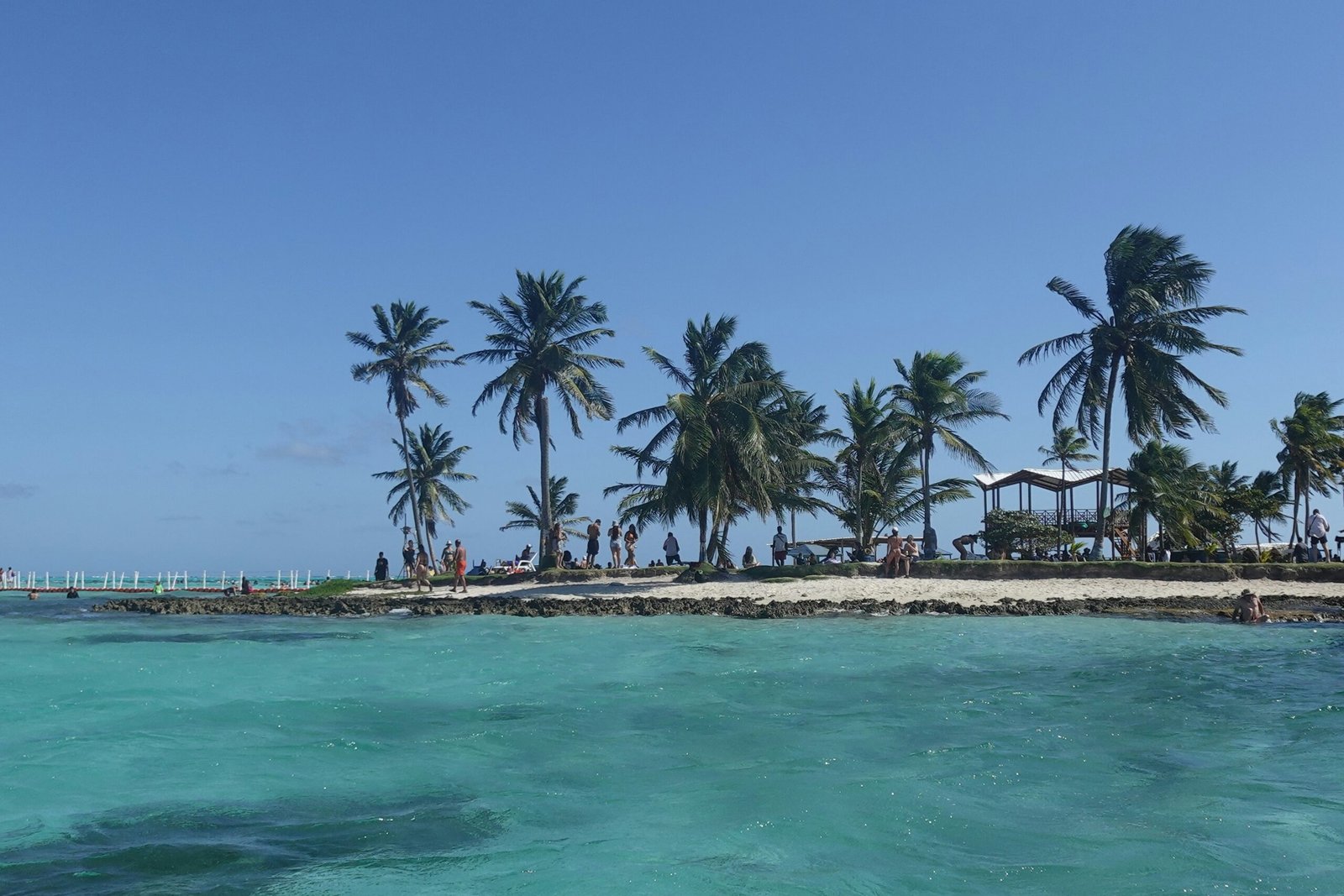
The sea of seven colors
San Andrés and Providencia
Snorkeling over coral reefs, quiet cays and a slower island rhythm. Providencia is the place to switch off completely.
Carnival, vallenato and cumbia
Barranquilla and Valledupar
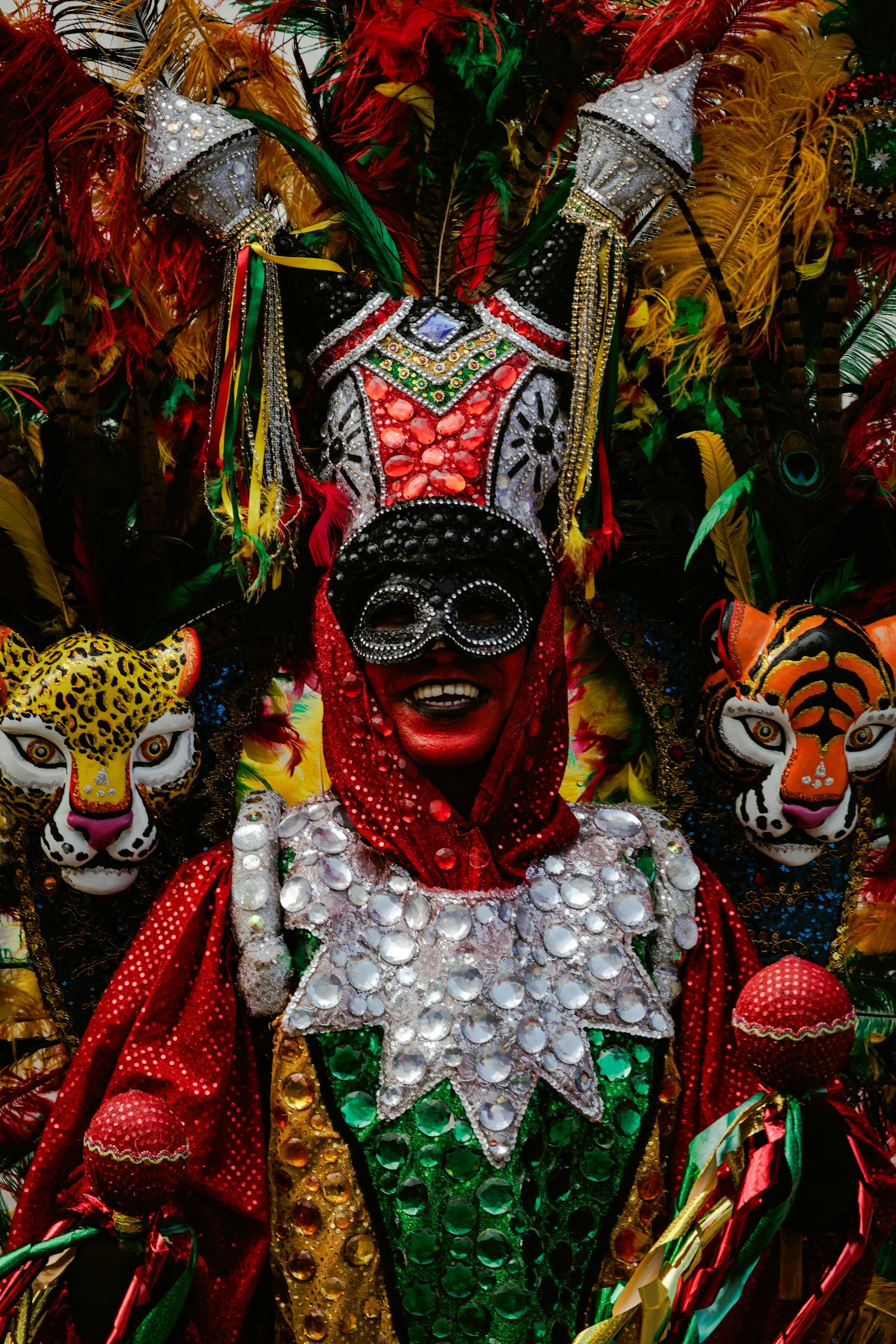
Barranquilla’s Carnival before Lent and the Vallenato Legend Festival in Valledupar, usually in late April or early May. Outside festival dates, a dance class and live music fill the evening.
Wellness by the water
Islands and coast
Spa days, yoga at sunrise and tropical fruit tastings: lulo, guanábana, maracuyá and more. Ideal for honeymoons and the last days of a long trip.
The Colombian Caribbean, Region by Region
The Greater Colombian Caribbean covers eight departments and two island groups. Each one has its own landscape, music and food, so it pays to know what you’re choosing between.
Cartagena and Bolívar
Cartagena’s walled city and fortresses are a UNESCO World Heritage site, and the obvious first stop. From here, boats reach the Rosario Islands and Barú, and a short drive takes you to San Basilio de Palenque, a community whose language and traditions are recognized by UNESCO. Further inland, Mompox, another UNESCO-listed town, sits on the Magdalena River and makes a calm counterpoint to the city.
Santa Marta, Tayrona and the Sierra Nevada
Santa Marta is one of the oldest cities in South America and the gateway to the Sierra Nevada de Santa Marta, the world’s highest coastal mountain range. Its slopes hold coffee and cacao farms around Minca, the trail to Ciudad Perdida and the ancestral territory of the Kogui, Arhuaco, Wiwa and Kankuamo peoples. Along the coast, Tayrona National Natural Park and Palomino offer forest-backed beaches and rivers that run straight into the sea.
La Guajira
Colombia’s northernmost peninsula is desert country and the homeland of the Wayuu people, known for their woven mochila bags. Riohacha is the base; Cabo de la Vela and Punta Gallinas, the northernmost point of mainland South America, are the reasons to come. Travel here is by 4×4 with local guides, and the reward is space, silence and dunes that drop into the sea.
Barranquilla and Atlántico
Barranquilla is a lively port city at the mouth of the Magdalena River and home to the Carnival of Barranquilla, recognized by UNESCO as a masterpiece of intangible heritage. It takes place in the days before Lent. Outside Carnival, the Museo del Carnaval and the riverfront Gran Malecón give you a feel for the city.
Valledupar and Cesar
Valledupar is the home of vallenato, the accordion-driven music that UNESCO lists as intangible heritage. The Vallenato Legend Festival fills the city every year around late April, sometimes running into early May, and the Guatapurí River runs cool and clear right through town.
Córdoba and Sucre
The savannas and river towns of Córdoba and Sucre are the heartland of porro music and the sombrero vueltiao, Colombia’s woven national hat, made by the Zenú people. Along the Gulf of Morrosquillo, quiet beaches and small islands offer a slower Caribbean, far from the crowds.
San Andrés and Providencia
Far out in the Caribbean Sea, these islands are part of the Seaflower Biosphere Reserve. San Andrés is known for its “sea of seven colors” and easy snorkeling; Providencia is smaller, greener and quieter, with the McBean Lagoon National Natural Park. Island culture here is Raizal, with its own Creole language and English heritage.
What’s on the Menu
Fried fish with coconut rice and patacones, arepa de huevo straight from the fryer, mote de queso in Córdoba and Sucre, and rondón, the coconut seafood stew of the islands. Wash it down with a fresh fruit juice: corozo, níspero or tamarind.
How to Choose Your Caribbean
- First trip and short on time: Cartagena plus the Rosario Islands or Barú. Easy flights, great food, history and sea.
- Culture lovers: Cartagena, then Mompox, with a stop in San Basilio de Palenque, the first free town of the Americas.
- Nature and adventure: Santa Marta, Minca and Tayrona, or the Lost City trek if you have the days and the legs.
- Remote and dramatic: La Guajira’s desert and dunes, planned with 4×4 transport and local guides.
- Pure island time: San Andrés for color and snorkeling, Providencia for silence.
The Logistics
Getting there: Cartagena, Santa Marta, Barranquilla, Riohacha and San Andrés all have airports with domestic flights, most often via Bogotá or Medellín. Getting around: distances along the coast are long, so we combine flights, private transfers and, for La Guajira, 4×4 vehicles. Weather: hot all year; December to March is usually the driest period. Parks: Tayrona National Natural Park closes for scheduled conservation and Indigenous cultural periods, usually in February, June and October–November, and additional temporary closures may occur. We always check the latest official announcements before planning your visit.
How Long to Stay
Plan about three nights per area. Seven to nine days covers two areas comfortably, such as Cartagena and Mompox, or Santa Marta and Tayrona. Ten days or more lets you add the islands or the desert without rushing. Our Caribbean Escape journey is a good 8-day starting point.
Things We’d Tell a Friend
Explore early and late; the midday heat is real. Respect the sacred places of the Sierra Nevada and ask before taking photos of people. Bring reef-safe sunscreen for the islands. And leave one afternoon free: the best Caribbean memories often happen in a hammock.
Combine It with the Rest of Colombia
Read our guides to Cartagena, Mompox, Barranquilla, La Guajira and San Andrés, or see the wider Colombian Caribbean. Many travelers pair the coast with the Classic Colombia route through Bogotá and the Coffee Region. For an official overview of the region, see Colombia Travel.
Colombian Caribbean Experiences FAQ
What is the Greater Colombian Caribbean?
It is Colombia’s whole northern region: the coast from the Gulf of Urabá to La Guajira, the Sierra Nevada de Santa Marta, river towns such as Mompox, and the San Andrés and Providencia islands.
How many days do Colombian Caribbean experiences need?
Allow about three nights per area. A week covers two areas well; ten days or more lets you add the islands or La Guajira.
When is the best time to visit the Colombian Caribbean?
It is warm all year. December to March is usually the driest and busiest season; we plan around festival dates and Tayrona’s annual closure.
Can ColombiaSky combine several Caribbean destinations in one trip?
Yes. Every ColombiaSky trip is private and tailor-made, with domestic flights, transfers and local guides arranged so the route flows. Tell us your dates and interests and we’ll send you a plan.
Plan Your Caribbean Trip with ColombiaSky
ColombiaSky is part of Organización Aviatur and has curated luxury journeys in Colombia for more than 17 years. Tell us your dates, interests and pace, and we’ll build your Colombian Caribbean experiences around you, with hotels, local guides and transfers arranged.